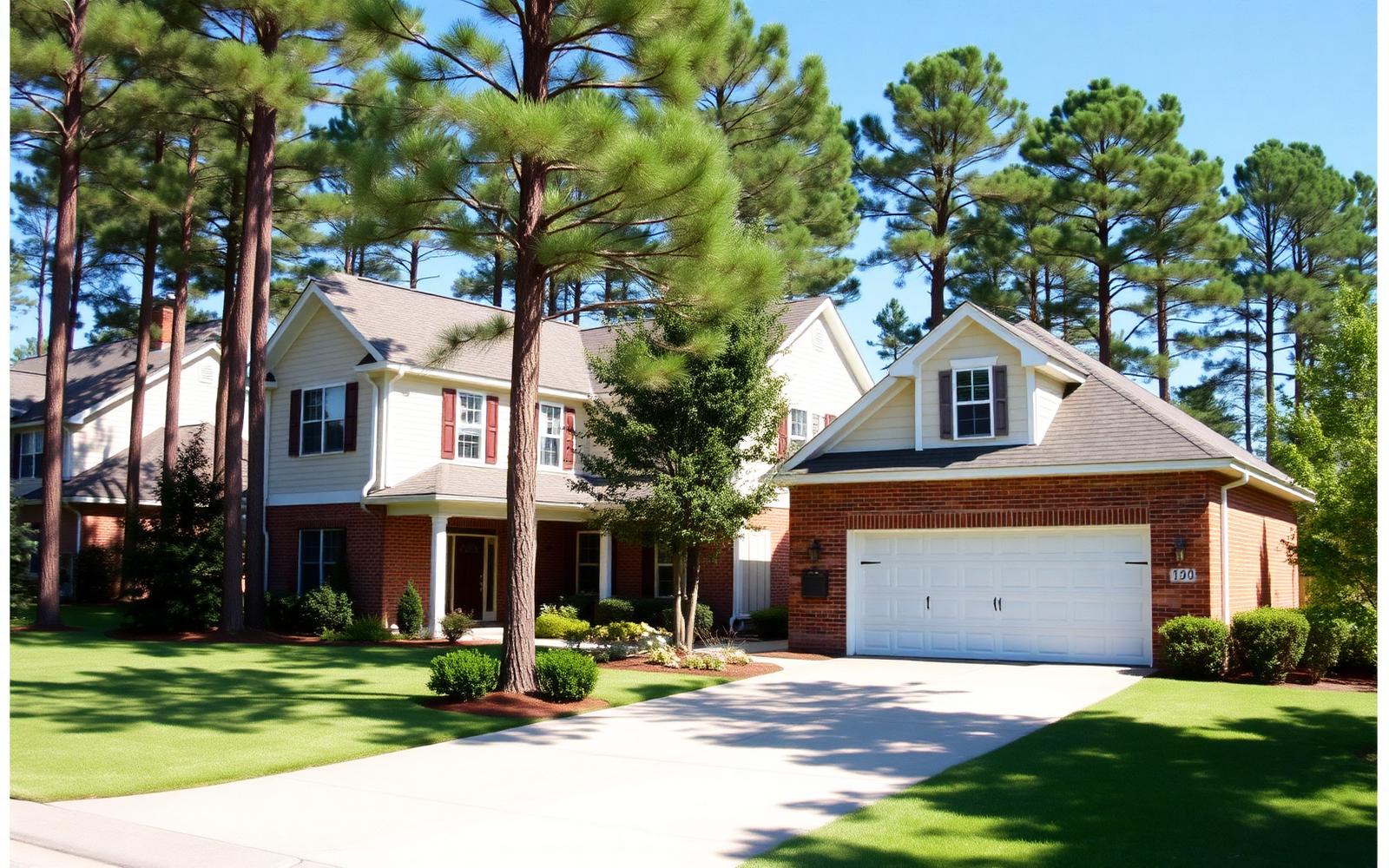
Epoxy Flooring Contractor · Carolina Forest, SC
Epoxy Flooring in Carolina Forest
Built to Perform. Finished to Impress.
At Expert Epoxy Installation we assess the slab, address cracks or surface damage, and help you choose a practical finish, such as a solid color or decorative flake system. Our installation focuses on careful preparation, clean workmanship, and durable details around edges and transitions.
- 20+ years of flooring experience
- Epoxy, polyaspartic & polyurea systems
- Honest, upfront pricing
- Serving the Grand Strand
- 20+ years of flooring experience
- Honest, upfront pricing
- Epoxy, polyaspartic & polyurea systems
- Serving the Grand Strand
Epoxy Flooring for Carolina Forest Homes and Businesses
In Carolina Forest, SC, your garage floor handles vehicle weight, tire heat, spills, moisture, and daily traffic. A professionally installed epoxy coating protects your concrete while creating a cleaner, easier-to-maintain surface that suits your home and budget.
With more than 20 years of flooring experience, we provide clear pricing and personalized guidance for garages throughout Carolina Forest.
4214 Mayfair St, Suite 215, Myrtle Beach, SC 29577What Does Epoxy Do For A Carolina Forest Garage Surface?
A properly installed epoxy coating creates a sealed, easier-to-clean surface that handles daily vehicle use, oil drips, moisture, and common household chemicals. Proper concrete preparation, product selection, and careful finishing determine how well the coating performs over time.
How Durable Is Epoxy Against Vehicle Traffic?
An industrial-grade epoxy system bonds to prepared concrete and forms a hard surface that resists routine abrasion from tires, foot traffic, and moving items across the floor. Garages in Carolina Forest may support cars, SUVs, trucks, motorcycles, bicycles, and storage equipment.
We inspect the slab before installation and address issues such as cracks, surface damage, and contamination that could weaken adhesion. Thorough preparation matters because even a high-quality coating can fail when applied over dust, grease, moisture, or poorly bonded concrete.
We can tailor the finish to the garage’s use, including slip-resistant texture where appropriate. Our team also pays close attention to edges, transitions, and clean lines so the completed floor functions well and looks consistent throughout the space. Most homeowners here start with garage epoxy.
How Well Does Epoxy Resist Stains And Moisture?
Epoxy seals the surface, giving spills less opportunity to penetrate and making routine cleanup easier with suitable cleaning products and basic maintenance. Bare concrete absorbs oil, automotive fluids, and cleaning chemicals, leaving stains that become difficult to remove.
A sealed floor also limits moisture contact with the concrete surface, which benefits garages exposed to wet vehicles, humid air, and seasonal weather in South Carolina. We evaluate the slab’s condition and moisture concerns before coating it rather than covering problems that require separate attention.
Our upfront estimates explain the preparation, coating system, colors, textures, and expected maintenance. This helps homeowners choose a practical garage finish that matches their budget, storage plans, and daily use.
Which Coating Options And Finishes Suit Carolina Forest Homes?
We help Carolina Forest homeowners compare color, texture, sheen, and maintenance needs before selecting a garage coating. Solid systems create a clean, uniform surface, while flake designs add visual depth and help disguise minor dust or tire marks.
When Does A Solid Color System Work Best?
A solid-color epoxy or polyaspartic system produces a consistent appearance across the garage floor. Popular choices include gray, beige, tan, and charcoal because they coordinate with cabinetry, vehicles, and common Carolina Forest home finishes.
We recommend solid colors when customers want a simple, finished look or plan to use the garage as a workshop, storage area, or exercise space. Light colors can make the room feel brighter but may show dirt more readily. Darker colors hide some grime yet can make dust and scratches more noticeable under strong lighting.
Color selection cannot correct poor preparation. We diamond-grind the concrete, repair suitable cracks and pits, and address moisture concerns before applying the coating. We explain the system, product choices, and pricing clearly before work begins.
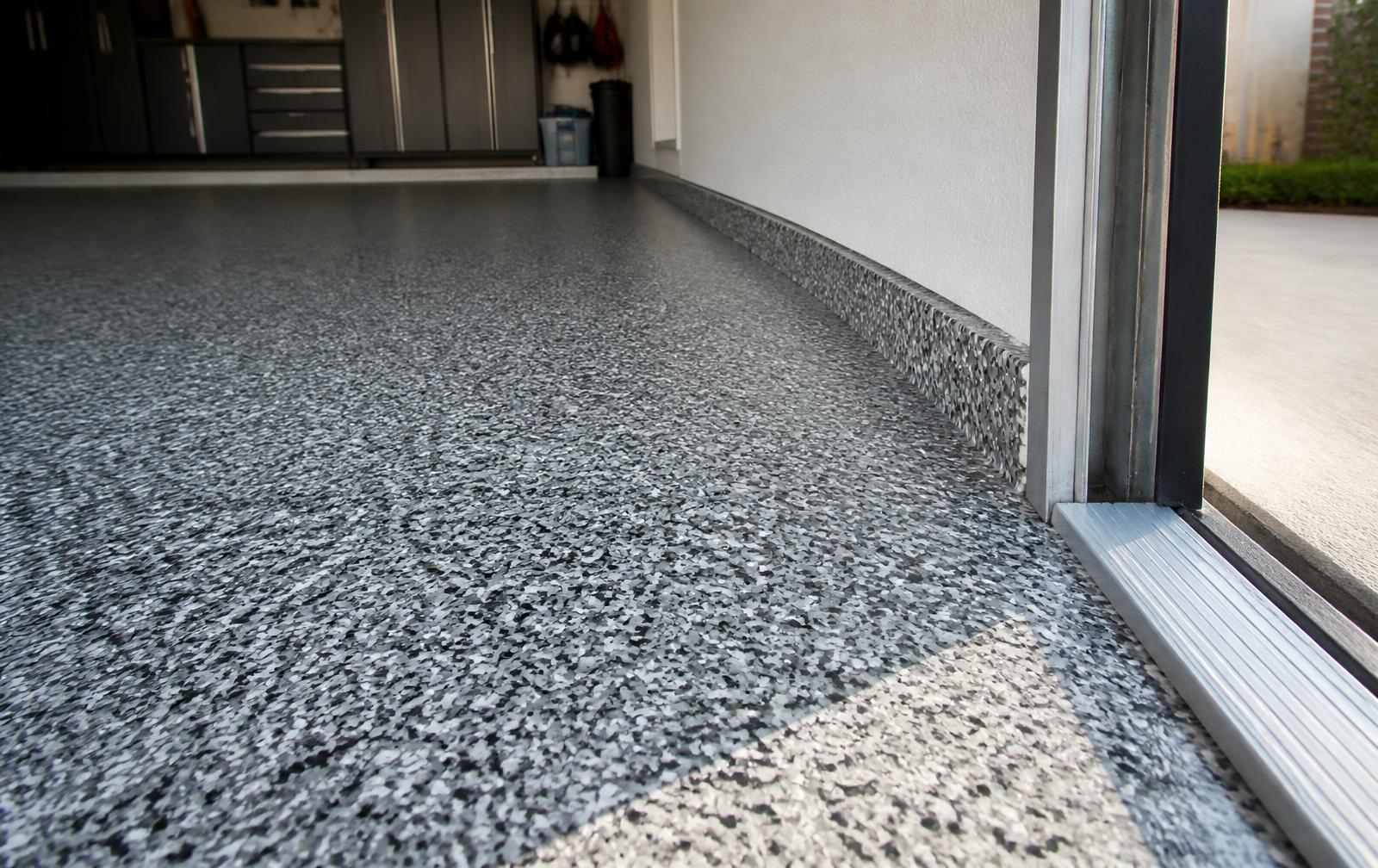
What Do Decorative Flake Broadcasts Add?
Flake broadcasts combine a base coat with vinyl flakes distributed across the wet surface, followed by a protective topcoat. We can adjust the flake blend to create combinations such as gray and black, tan and brown, or lighter mixes that complement nearby walls and storage cabinets.
Flakes provide more than decoration. Their varied pattern helps conceal small amounts of dust, tire residue, and minor surface variation between cleanings. A full broadcast also creates a lightly textured surface that can improve traction compared with a smooth, high-gloss floor. Homeowners comparing blends often review our decorative flake.
We tailor the blend and density to the garage rather than relying on a standard package. Proper edge work, transitions, and topcoat coverage affect the finished appearance and long-term performance, so we give those details the same attention as the main floor area.
How Do Gloss, Satin, And Textured Finishes Compare?
A gloss finish reflects more light and gives the garage a polished appearance, particularly when paired with lighter colors or decorative flakes. It also makes the surface easier to inspect, but glare may be noticeable near windows or bright overhead fixtures.
A satin finish reduces reflection while maintaining a clean, finished look. We often discuss satin when customers want a more understated appearance or need to limit visible glare in a garage used as a multipurpose room.
Texture depends on the coating system and the amount of slip-resistant additive used in the topcoat. We can recommend a texture that supports safer footing without creating an unnecessarily rough surface that traps dirt. Our recommendation considers vehicle use, cleaning habits, moisture exposure, and the needs of everyone using the garage.
How Does Our Installation And Preparation Process Work?
A durable garage coating starts with sound concrete, thorough preparation, and moisture control. We inspect the slab, repair defects, mechanically profile the surface, and explain curing requirements before returning the garage to service.
What Does Concrete Evaluation And Repair Involve?
We examine the concrete for cracks, spalling, uneven areas, oil contamination, previous coatings, and loose material. Carolina Forest garages may also show moisture-related problems, especially where water enters through joints, walls, or unsealed openings.
We clean contaminants and repair suitable cracks or damaged sections with compatible materials. Active movement, leaking water, or significant slab settlement requires correction before coating; epoxy cannot solve structural or ongoing moisture problems. Damaged slabs may need crack repair first.
Before work begins, we provide an upfront estimate that identifies repairs, coating options, preparation steps, and expected access restrictions. This helps homeowners choose a system that fits the garage’s condition, intended use, appearance, and budget.
Why Do We Grind The Surface And Test For Moisture?
We typically use diamond grinding to remove weak surface material, old coatings, tire residue, and other contaminants while creating the profile needed for mechanical adhesion. We also prepare edges, corners, control joints, and areas near walls carefully because missed details can affect the finished appearance and bond.
Vacuuming follows grinding to remove dust before application. We test the slab for moisture when conditions or site history warrant it, using appropriate testing methods rather than relying only on a visual inspection. Excess moisture vapor can cause bubbling, whitening, or delamination.
If testing identifies unacceptable moisture, we discuss mitigation or postponement before installing the coating. Our experienced team documents preparation concerns and explains the recommended solution clearly.
How Long Before The Garage Is Usable Again?
Garage access depends on the coating system, temperature, humidity, slab condition, and manufacturer requirements. A typical project may require the garage to remain clear during preparation and installation, with additional time before foot traffic and vehicle traffic.
We provide a specific access schedule before work begins. Homeowners should plan to keep vehicles, storage items, tools, and chemicals outside the work area until we approve reentry.
Even when a surface feels dry, the coating may still be curing beneath the surface. We follow product specifications rather than shortening the schedule, and we communicate timing changes promptly while maintaining a clean, organized work area.
How Should You Maintain An Epoxy Floor Long Term?
Regular cleaning removes sand, road salt, and moisture that can wear down a garage coating over time. Using protective pads, mats, and sensible traffic controls also helps preserve the finish through Carolina Forest’s humid weather and daily vehicle use.
What Are The Right Routine Cleaning Practices?
Sweep or dust-mop the floor regularly to remove grit before it scratches the surface. For routine washing, use warm water with a small amount of pH-neutral cleaner and a soft mop. Avoid abrasive powders, stiff brushes, solvent-based products, and harsh degreasers unless the coating manufacturer approves them.
Clean oil, gasoline, antifreeze, and other spills promptly. Blot liquids with an absorbent material, then wash the area with a compatible cleaner. Do not let standing water remain near expansion joints, walls, or garage-door edges; dry those areas after cleaning and check for drainage problems.
We recommend testing any new product in a small, inconspicuous area first. Never drag heavy equipment across the coating, and use clean microfiber pads rather than dirty shop rags that may contain metal particles or coarse debris.
How Do You Protect High-Traffic Areas?
Place non-rubber-backed mats at entry points to catch sand, rainwater, and road debris. Avoid mats that trap moisture or contain plasticizers that may discolor the coating. Use furniture glides or plywood sheets beneath shelving, toolboxes, jacks, and other heavy items when moving them.
Park vehicles with clean, dry tires when possible, and remove loose stones from tire treads before entering. Keep sharp tools, hardware, and welding materials from contacting the floor directly. For maintenance work, use a drip tray and an appropriate protective mat.
High-use zones near vehicle doors, workbenches, and storage areas deserve frequent sweeping and prompt spill removal. When the surface develops persistent stains, chips, or areas of wear, we can assess the coating and recommend compatible repairs instead of applying unapproved products, including recoating and maintenance .
Epoxy Flooring FAQs for Carolina Forest
How much does epoxy garage flooring cost in Carolina Forest, SC?
Most residential garage projects receive a custom quote rather than a fixed price. A typical two-car garage may cost several thousand dollars, but the final price depends on its size, repairs, moisture issues, coating system, and selected color or flake blend.
We provide an upfront estimate that explains the preparation, materials, labor, warranty terms, and any additional work. This approach helps homeowners compare complete systems instead of comparing incomplete per-square-foot prices.
What is the best epoxy coating for a residential garage floor?
The best system matches the slab condition and how we will use the garage. For many homes, we recommend a professionally prepared coating system with a durable base layer, full decorative-flake coverage, and a UV-resistant polyaspartic or polyurethane topcoat.
Pure epoxy provides strong adhesion and chemical resistance, but it can discolor with prolonged sunlight exposure. A compatible topcoat improves UV stability, abrasion resistance, and cleaning performance.
How long does a professionally installed epoxy garage floor last?
A professionally installed garage coating commonly lasts about 10 to 20 years, depending on preparation, product quality, traffic, sunlight, moisture, and maintenance. Poor surface preparation can cause peeling or debonding regardless of the coating’s advertised strength.
We inspect the concrete, address cracks and damaged areas, and prepare the surface mechanically before coating it. These steps support long-term adhesion and help the finished floor withstand vehicle traffic, impact, and common automotive spills.
How long does it take to install epoxy flooring in a garage?
Many standard garage installations take about two to three days. Preparation and the first coating stage often occur on the first day, followed by flake application, scraping, topcoat installation, and curing.
The floor may remain unavailable for vehicles for several days after installation. We provide a specific return-to-use schedule based on the products, temperature, humidity, slab condition, and ventilation.
Are epoxy garage floors slippery when wet?
A smooth coating can become slippery when water, oil, or other liquids cover it. We can add an appropriate traction additive to the topcoat, especially for garages that receive rainwater, pool equipment, or frequent foot traffic.
Decorative flakes also add texture, but they do not replace proper traction planning. We discuss the desired balance between cleanability, appearance, and slip resistance before installation.
How do I choose a reliable epoxy flooring contractor near Carolina Forest?
Look for a contractor who explains surface preparation, moisture testing, product layers, curing times, warranty coverage, and maintenance requirements. Ask for recent local references, written estimates, proof of insurance, and examples of completed residential garage projects.
Our team brings more than 20 years of flooring experience and focuses on preparation, clean workmanship, clear communication, and detailed finishing. We explain the scope and price before work begins, protect the surrounding property, and identify potential slab problems before installation.