Epoxy Flooring Contractor · Myrtle Beach, SC
Commercial & Industrial Floor Coatings in Myrtle Beach, SC
Built to Perform. Finished to Impress.
At Expert Epoxy Installation Myrtle Beach we help you choose between solid epoxy, flake, metallic, polyurea, and polyaspartic systems based on durability, appearance, slip resistance, UV exposure, and return-to-service requirements. Proper preparation, including crack repair and mechanical profiling, supports reliable adhesion on concrete floors.
- 20+ years of flooring experience
- Epoxy, polyaspartic & polyurea systems
- Honest, upfront pricing
- Serving the Grand Strand
- 20+ years of flooring experience
- Honest, upfront pricing
- Epoxy, polyaspartic & polyurea systems
- Serving the Grand Strand
Commercial & Industrial Floor Coatings in Myrtle Beach, SC
Myrtle Beach properties face coastal humidity, salt air, heavy foot traffic, and vehicle wear. We install commercial, industrial, residential, and garage floor coatings designed around each space’s use, condition, layout, and maintenance needs.
Our 20-plus years of flooring experience help us plan practical solutions for restaurants, warehouses, retail spaces, workshops, patios, and garages. We also help you evaluate one-car, two-car, tandem, and irregular garage layouts while providing clear project scope, upfront pricing, and careful installation.
How Do We Match Coating Systems To Coastal Conditions?
We select floor coatings according to the concrete’s condition, moisture exposure, traffic level, chemicals, sunlight, and required downtime. Proper preparation, compatible resin layers, and a suitable finish help commercial facilities, homes, garages, pool areas, and service spaces perform reliably in Myrtle Beach’s coastal environment.
What Do Epoxy Primer, Build Coat, And Protective Topcoat Layers Do?
A durable epoxy floor usually includes three coordinated layers. We begin with mechanical preparation, such as diamond grinding or shot blasting, to remove weak concrete, coatings, oil, and surface contaminants. An epoxy primer then penetrates the prepared slab and improves adhesion while helping identify pinholes, cracks, and porous areas that need repair. The same profiling discipline we use for concrete grinding applies to every commercial slab we coat.
The build coat provides thickness, color, and body. We can use solid-color epoxy, decorative flakes, metallic systems, or quartz aggregate, depending on the space and maintenance requirements. Broadcast aggregate also improves texture and slip resistance in commercial kitchens, corridors, garages, and service areas.
A protective topcoat shields the system from abrasion, staining, moisture, and cleaning chemicals. Polyurethane or polyaspartic topcoats can improve UV resistance and reduce yellowing compared with standard epoxy exposed to direct sunlight. We specify layer thickness and materials based on traffic, equipment, impact, and the concrete’s condition rather than applying the same system everywhere.
Why Do Polyaspartic Coatings Return Floors To Service Faster?
Polyaspartic coatings cure faster than many conventional epoxy systems, which can reduce downtime for retail areas, restaurants, garages, offices, and commercial maintenance spaces. Depending on temperature, humidity, product selection, and site conditions, some systems may support foot traffic within hours and vehicle traffic after the manufacturer’s stated cure period.
We use polyaspartic materials as a complete coating system or as a topcoat over epoxy. Their low-temperature performance and strong resistance to abrasion, moisture, and many chemicals make them useful for Myrtle Beach garages, loading areas, pool-support spaces, and high-traffic floors, including Carolina Forest and nearby business parks.
Fast curing does not eliminate preparation requirements. We still repair damaged concrete, remove contaminants, profile the surface, control application thickness, and respect recoat windows. Installers must also work efficiently because short pot life can cause roller marks, uneven texture, or visible overlap lines if the material remains open too long.
How Do Moisture Vapor, Salt Air, And Humidity Affect Coatings?
Coastal concrete can experience elevated humidity, salt-laden air, rainfall, and moisture vapor moving through the slab. Moisture trapped beneath an impermeable coating may cause blistering, delamination, whitening, or premature failure. We evaluate the slab’s age, drainage, surrounding grade, visible dampness, and project history before recommending a system.
Moisture testing helps determine whether the concrete can receive the planned coating. If readings exceed the product’s limits, we may recommend additional drying time, vapor mitigation, improved drainage, or a compatible moisture-tolerant primer. We do not rely on surface appearance alone because a dry-looking slab can still transmit vapor.
Salt and sand also affect adhesion and wear. Thorough cleaning and mechanical profiling remove residues, while entry mats, routine sweeping, and appropriate cleaning products help reduce abrasive particles after installation. Exterior pool decks and patios require systems specifically approved for outdoor exposure, not interior epoxy applied without modification.
How Do We Balance Slip Resistance, Chemical Resistance, And UV Stability?
We adjust texture to match the risks in each area. Fine aggregate can support comfortable walking in offices and residential garages, while larger aluminum oxide, quartz, or broadcast media may provide more traction for wet pool surrounds, commercial kitchens, ramps, and service corridors. Too much texture can trap dirt, so we balance safety with cleanability.
Chemical exposure varies by use. Restaurants may encounter grease and food acids, garages may see oil and automotive fluids, and industrial spaces may require resistance to solvents or cleaning agents. We review the expected chemicals and exposure time before selecting epoxy, polyaspartic, polyurethane, or another resinous system.
Direct sunlight can discolor some epoxy finishes, especially near garage doors, storefronts, patios, and large windows. A UV-stable polyaspartic or polyurethane topcoat helps protect appearance, but it does not correct poor preparation or moisture problems. We also detail edges, control joints, drains, transitions, and wall bases to protect vulnerable areas and create a cleaner finished installation.
How Do We Plan Applications, Layouts, And Project Schedules?
A successful coating project starts with the space’s use, slab condition, traffic, moisture exposure, and maintenance requirements. We plan the layout, preparation method, coating system, colors, and cure schedule together so the finished floor supports daily operations.
How Do We Zone Garage Layouts For Vehicles, Storage, And Work Areas?
We divide residential garages into practical zones before selecting a coating system. Vehicle bays need resistance to hot tires, oil, road salt, and abrasion, while storage areas benefit from a continuous, easy-to-clean surface with sealed edges. Work areas may need additional traction and brighter lighting from a light-reflective color blend.
For two-car garages, we account for vehicle door swing, walking paths, shelving, freezers, bicycles, and equipment. We also identify expansion joints, floor drains, steps, and transitions before installation. A polyaspartic or epoxy-and-polyaspartic system can suit many Myrtle Beach garages, but the correct choice depends on slab condition, sunlight, moisture, and expected traffic.
We provide clear estimates that identify repairs, coating layers, broadcast materials, and curing requirements. This helps homeowners compare options without paying for unnecessary features.
What Do Warehouses, Retail Spaces, Restaurants, And Healthcare Facilities Require?
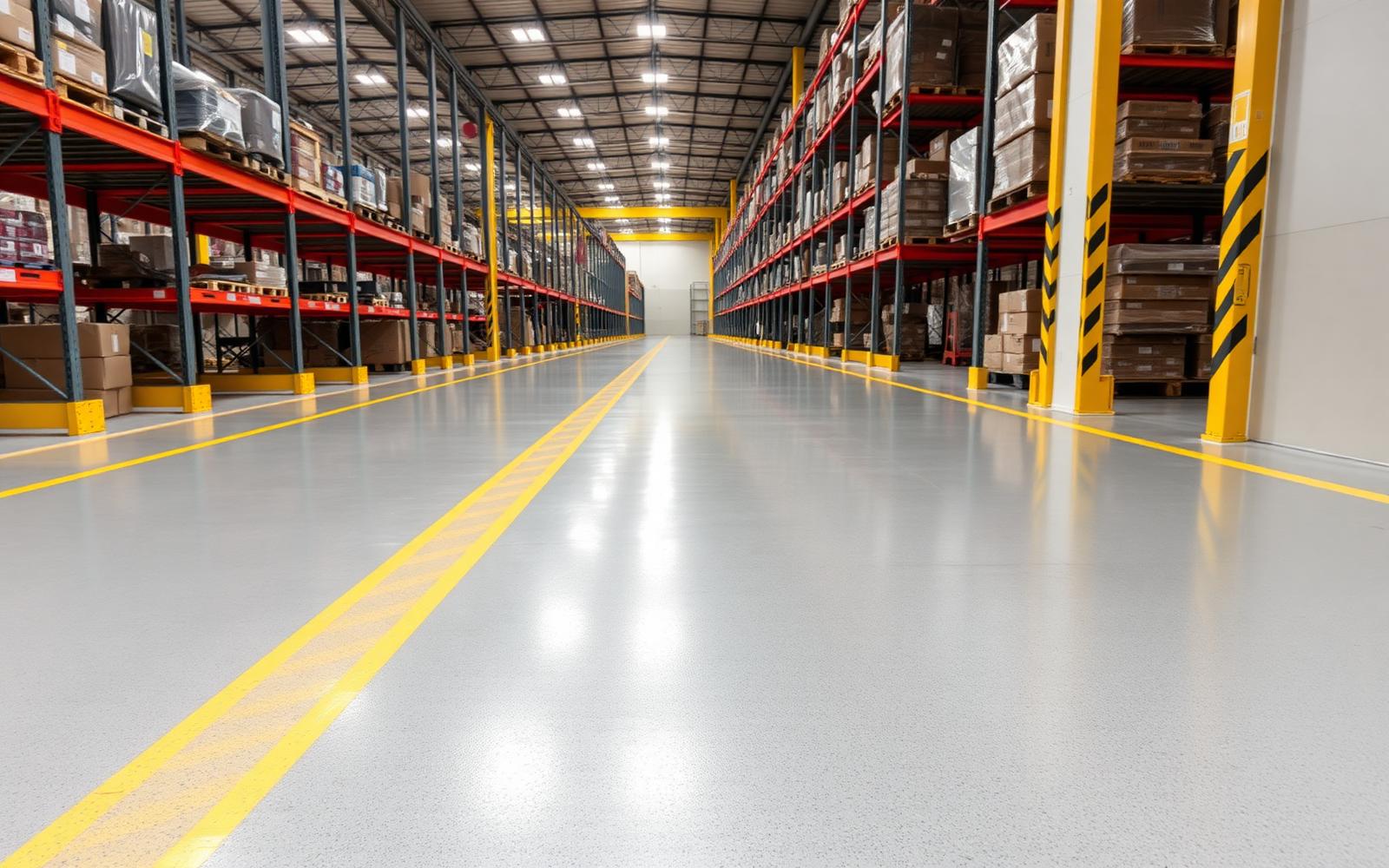
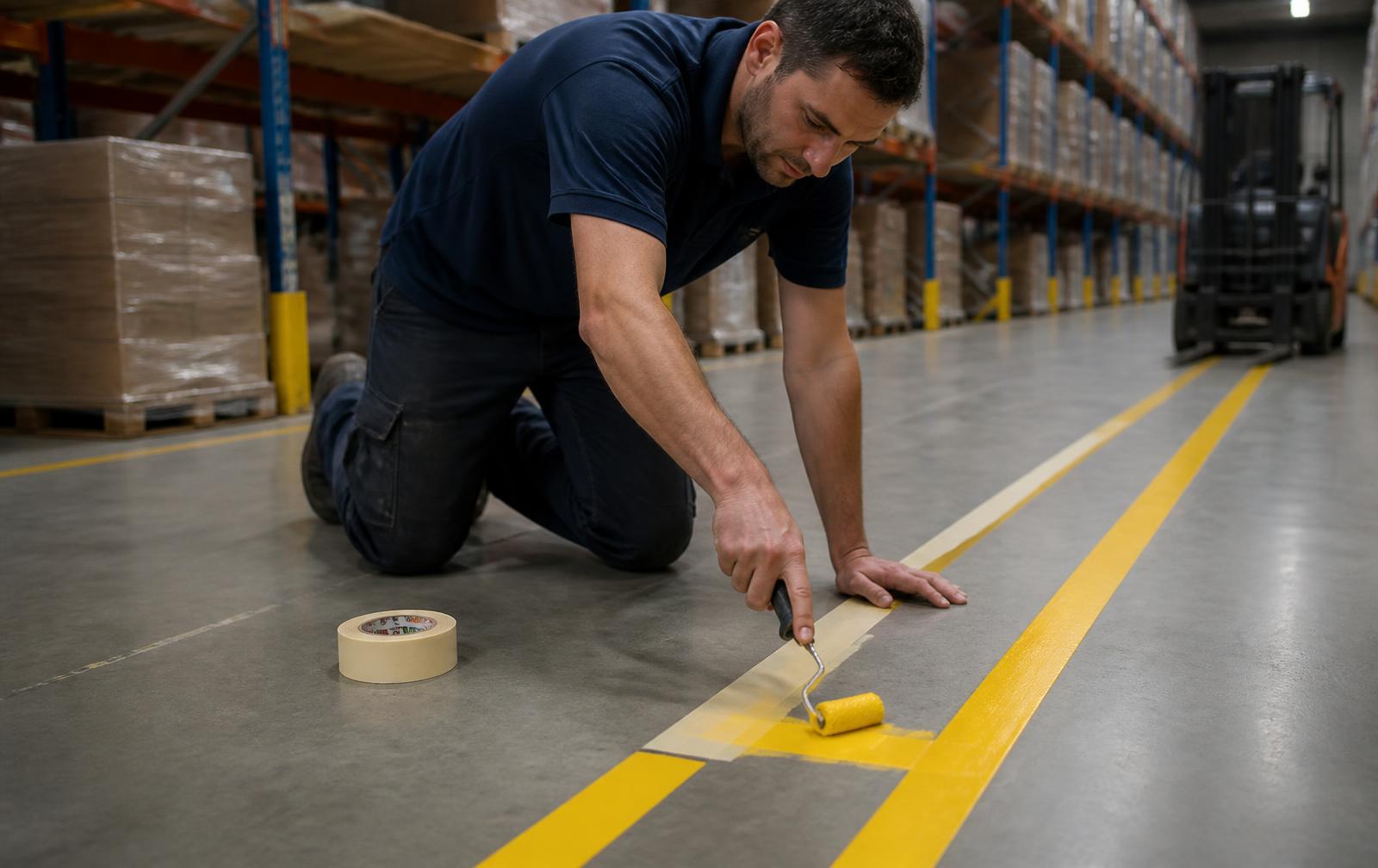
Commercial floors require planning around traffic, equipment, sanitation, and operating schedules. Warehouses may need impact-resistant coatings, forklift lanes, loading-area repairs, and safety striping. Retail spaces often prioritize a clean appearance, durable walkways, and transitions that accommodate carts and customer traffic.
Restaurants and food-service facilities need seamless surfaces that simplify cleaning and resist grease, moisture, and routine chemical exposure. Healthcare areas may require low-maintenance floors with clearly defined corridors, work zones, and slip-resistance considerations. We match the system to the facility’s cleaning procedures instead of using one specification for every room.
Before work begins, we coordinate access, furniture or equipment relocation, ventilation, cure time, and phased installation. Our team maintains an organized work area and communicates the scope, schedule, and pricing before preparation starts. Businesses planning Socastee receive the same phased scheduling.
How Do We Assess Myrtle Beach Substrates And Prepare The Surface?
Myrtle Beach properties can experience humidity, coastal moisture, sand, tracked-in water, and frequent temperature changes. These conditions make substrate assessment essential. We check for cracks, delamination, weak concrete, oil contamination, uneven areas, previous coatings, and moisture that could interfere with adhesion.
Preparation may include diamond grinding, shot blasting, mechanical edging, vacuuming, crack repair, and removal of incompatible coatings. We treat joints and transitions according to the floor’s movement and intended use rather than simply covering visible defects. Moisture testing can help determine whether the slab needs additional evaluation or a moisture-tolerant system. We use the same standards for Forestbrook as we do for large industrial slabs.
A durable finish depends on preparation as much as the coating product. Our more than 20 years of flooring experience helps us identify problems early and document the work needed before installation.
What Color Flake, Quartz Broadcast, And Safety Striping Options Are Available?
Decorative vinyl flakes can create a practical, textured finish for garages, showrooms, offices, and selected commercial areas. We can adjust flake size, density, and color blend to support the room’s lighting and hide ordinary dust or minor surface marks. A clear topcoat helps protect the broadcast layer and determines the final texture and sheen.
Quartz broadcast systems provide a more structured appearance and can support traction in areas exposed to water or frequent cleaning. We select the broadcast density and topcoat according to foot traffic, chemical exposure, and maintenance requirements.
For warehouses and commercial facilities, safety striping can define pedestrian paths, forklift lanes, loading zones, stairs, equipment clearances, and restricted areas. We plan stripe placement around doors, racks, drains, columns, and traffic patterns so markings remain visible and useful.
Areas we serve
- Carolina Forest
- Socastee
- Forestbrook
- Surfside Beach
- Garden City
- Murrells Inlet
- North Myrtle Beach
- Briarcliffe Acres
- Atlantic Beach
- Little River
Related Services
Ready to plan your floor?
Call (854) 254-6137 or request a free estimate. We review slab condition, scope, and pricing before any work begins.