
Epoxy Flooring Contractor · Murrells Inlet, SC
Epoxy Flooring in Murrells Inlet
Built to Perform. Finished to Impress.
At Expert Epoxy Installation we help you choose a coating system that suits your garage, budget, and daily use while accounting for local moisture and coastal conditions. Epoxy flooring can turn your Murrells Inlet garage into a cleaner, more durable, and easier-to-maintain space.
- 20+ years of flooring experience
- Epoxy, polyaspartic & polyurea systems
- Honest, upfront pricing
- Serving the Grand Strand
- 20+ years of flooring experience
- Honest, upfront pricing
- Epoxy, polyaspartic & polyurea systems
- Serving the Grand Strand
Epoxy Flooring for Murrells Inlet Homes and Businesses
A properly prepared and professionally installed epoxy coating protects your garage floor from stains, tire wear, chemicals, and heavy traffic while improving its appearance. We focus on careful surface preparation, crack repair, clean edges, and durable finishing details so your coating bonds properly and performs reliably.
4214 Mayfair St, Suite 215, Myrtle Beach, SC 29577What Are The Benefits Of Epoxy Coatings For Garage Floors?
Epoxy coatings create a sealed, low-maintenance surface that handles daily vehicle use while helping protect concrete from oil, water, and common garage spills. With careful preparation and professional installation, we can tailor the finish to your garage’s traffic, appearance, and maintenance needs.
How Does Epoxy Hold Up To Vehicle Traffic?
Garage floors in Murrells Inlet must withstand parked vehicles, turning tires, dropped tools, and regular foot traffic. A properly installed epoxy coating bonds to prepared concrete and forms a hard surface that resists routine abrasion, tire marks, and scuffs better than untreated concrete.
Surface preparation determines performance. We repair cracks, remove contaminants, and mechanically prepare the slab so the coating can bond correctly. We also address edges, transitions, and other details that can affect long-term results. Our more than 20 years of flooring experience helps us identify potential problems before installation, and most projects begin as garage epoxy.
Epoxy works well for most residential garages, workshops, and storage areas. We assess the slab and recommend a suitable system based on vehicle use, expected traffic, and the floor’s existing condition. Clear, upfront pricing explains the preparation and coating work before the project begins.
How Does Epoxy Improve Stain And Moisture Resistance?
Epoxy forms a non-porous finish that limits the absorption of motor oil, automotive fluids, cleaning products, and other common garage substances. When spills occur, we can help you maintain the surface with prompt cleanup using the cleaner recommended for the selected system.
The sealed coating also reduces moisture penetration through the floor’s surface, which helps protect the concrete from staining and simplifies routine cleaning. It does not eliminate every moisture problem; hydrostatic pressure, leaks, or damp slabs require evaluation before coating.
We install each floor with attention to clean edges, transitions, and finishing details. Our team protects your property, maintains an organized work area, and communicates throughout the project so the finished garage floor provides a durable, practical surface.
How Do You Select The Right Epoxy System?
The right garage coating depends on moisture exposure, vehicle traffic, chemical use, and the finish you prefer. We evaluate the concrete, explain the differences between available formulas, and provide clear pricing before installation begins.
Solid Epoxy Or Water-Based Formula: Which Is Better?
Solid epoxy contains little to no water or solvent, allowing us to apply a thicker film with stronger coverage and better resistance to oil, chemicals, abrasion, and hot tires. It suits garages used for daily parking, storage, repairs, or heavier household activity. Solid systems also provide more time to address surface defects, but they require careful preparation and controlled installation conditions.
Water-based epoxy offers lower odor and easier application, which can benefit attached garages or projects with limited ventilation. It generally costs less, but it creates a thinner coating and may provide less resistance to demanding use. Neither formula should cover damp, contaminated, or poorly prepared concrete. We use diamond grinding and repair cracks before coating so the system can bond properly, especially in Murrells Inlet’s humid coastal conditions. Faster-curing options include polyaspartic coatings.
Which Finish Options And Decorative Flake Colors Work Best?
A solid-color finish creates a clean, consistent appearance and makes routine sweeping simple. Gray, tan, and neutral shades can complement most garages while helping conceal minor dust and tire marks. We can also use a metallic finish when a more varied, reflective appearance fits the space, although it may show dirt and texture more clearly.
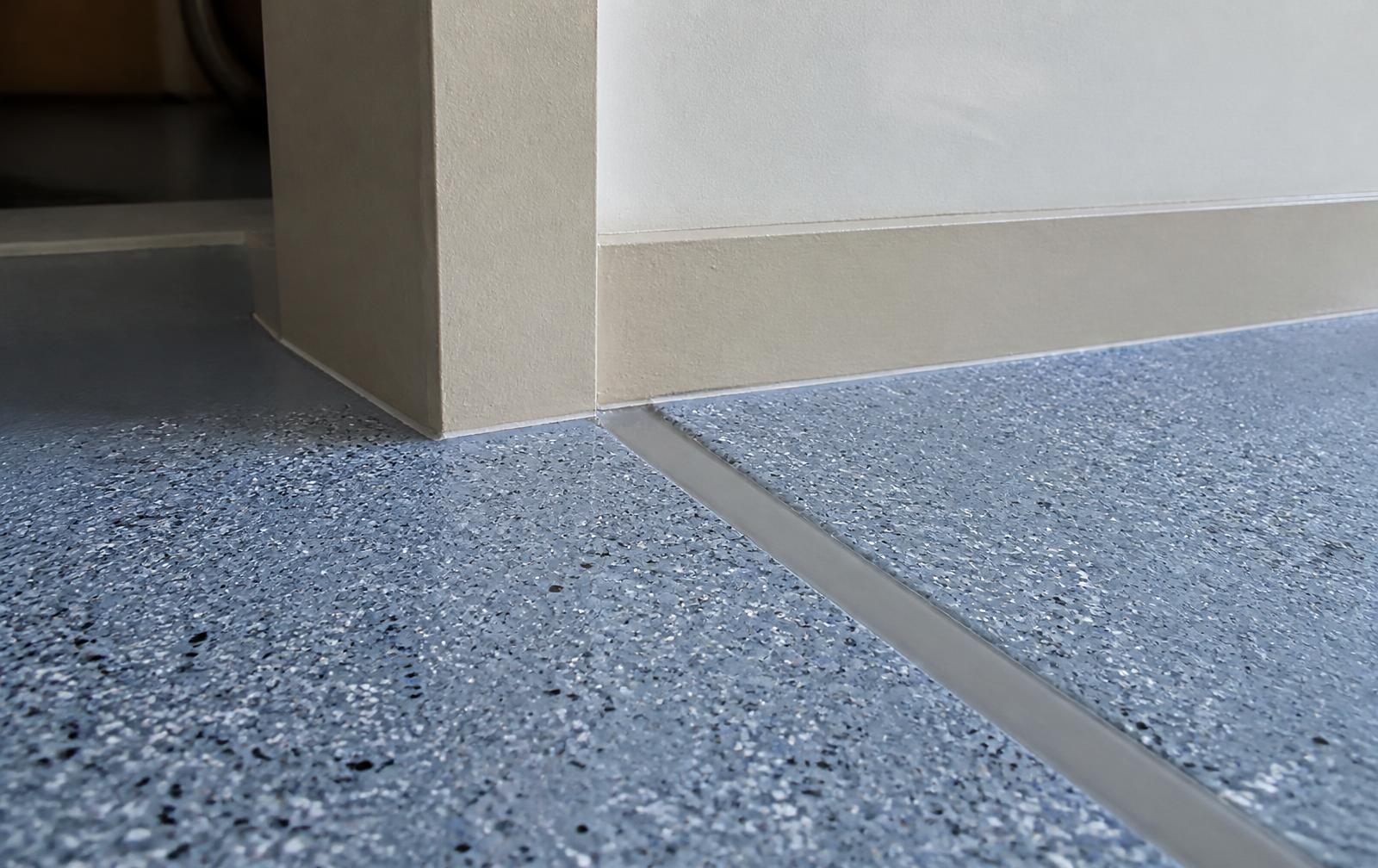
Decorative flake systems combine a base color with vinyl chips broadcast across the wet coating. The flakes add texture, improve visual depth, and help disguise small amounts of dust or debris. Common combinations include gray with black and white flakes, tan with brown accents, and blue-gray blends, and homeowners often compare decorative flake.
We help match flake density and color to lighting, cabinets, vehicles, and storage needs. We also pay close attention to edges, transitions, and the final clear coat so the finished garage looks complete and remains easier to maintain.
What Does The Professional Installation Process Include?
A durable garage coating depends on sound concrete, controlled moisture, accurate product application, and enough curing time. We address surface defects before coating, explain each project stage and cost upfront, and protect your property throughout the work.
How Do You Prepare And Repair The Concrete?
We begin by inspecting the slab for cracks, spalling, oil contamination, uneven areas, and moisture concerns. In Murrells Inlet, coastal humidity can affect concrete and curing, so we evaluate the slab’s condition before selecting the coating system.
We remove grease, dirt, loose concrete, and previous coatings. Diamond grinding typically opens the concrete pores and creates the profile needed for strong adhesion, while crack repair and patching address defects that could show through the finished floor. Deeper defects may call for crack repair . We also prepare edges, control joints, and transitions carefully rather than relying on coating to hide problems.
Preparation commonly includes:
- Degreasing and mechanical cleaning
- Diamond grinding or other suitable profiling
- Crack and spall repair
- Dust collection and thorough cleanup
- Moisture and adhesion checks when conditions require them
Our more than 20 years of flooring experience helps us identify preparation issues early. We explain recommended repairs and pricing before work begins, without adding unnecessary services.
What Are The Application, Curing, And Return-To-Service Times?
After preparation, we apply the selected epoxy, polyaspartic, flake, or compatible coating system according to the manufacturer’s specifications. We maintain consistent coverage across the main floor, edges, and repaired areas, broadcast decorative flakes when chosen, and apply the appropriate protective topcoat.
Temperature, humidity, slab temperature, and ventilation influence curing. We provide a project-specific schedule instead of promising the same turnaround for every garage. Light foot traffic may become acceptable before vehicles, shelving, or heavy equipment, and the coating must reach the required cure before the garage returns to normal use.
We keep the work area organized, limit dust and debris, and communicate when each stage is complete. Before releasing the garage, we inspect the surface for missed areas, uneven coverage, clean edges, and proper finishing details, then explain care requirements and the precise return-to-service timing.
How Do Local Conditions Shape Long-Term Floor Care?
Murrells Inlet garages face humid air, salt exposure, tracked-in moisture, sand, vehicle fluids, and temperature changes. We address these conditions through thorough surface preparation, suitable coating selection, careful curing, and simple maintenance practices.
How Do You Manage Coastal Humidity And Salt Exposure?
Coastal humidity can slow coating cure times and increase the risk of moisture-related bonding problems. Before installation, we inspect the concrete and check for cracks, surface contaminants, and moisture conditions. Diamond grinding and complete cleaning help create a stable profile for the coating.
Salt carried in by vehicles and coastal air can leave abrasive residue on the floor. We recommend placing absorbent mats near the garage entry and promptly removing standing water, sand, and salt deposits. Do not apply coatings over damp concrete or use the garage before the installer’s stated cure period ends.
We also pay close attention to garage edges, control joints, cracks, and transitions. Proper repairs and neat detailing help prevent moisture and debris from collecting in vulnerable areas. Homeowners should report peeling, bubbling, or persistent dampness early so we can identify the cause before damage spreads.
What Routine Cleaning And Maintenance Practices Help?
Sweep or dust-mop the garage regularly to remove sand and grit that can dull the surface under vehicle tires. For spills, wipe oil, gasoline, chemicals, and other fluids promptly with an absorbent material, then clean the area with a pH-neutral cleaner and water.
Avoid abrasive powders, steel wool, harsh solvents, and aggressive scrubbing equipment unless the coating manufacturer approves them. A soft deck brush or microfiber mop usually provides adequate cleaning without unnecessary wear.
Use rubber-backed, nonstaining mats in work areas, but check them periodically for trapped moisture. Keep sharp tools, metal furniture, and vehicle jacks from dragging across the floor. We also recommend inspecting the coating a few times each year, especially around tire paths, thresholds, and expansion joints, and addressing damage with recoating and maintenance before it reaches the concrete.
Epoxy Flooring FAQs for Murrells Inlet
How long does epoxy garage flooring typically last in coastal South Carolina?
A professionally installed garage coating can commonly last 10 to 20 years in a residential setting. Actual service life depends on preparation, sunlight, vehicle traffic, chemical exposure, moisture, and maintenance.
We extend performance by diamond-grinding the concrete, repairing suitable cracks, and applying the correct primer and topcoat. Excess moisture or untreated slab movement can shorten the coating’s life.
What is the best type of garage floor coating for hot, humid conditions?
For many Murrells Inlet garages, we recommend a professionally installed polyaspartic or epoxy-polyaspartic system. Polyaspartic topcoats cure quickly and generally provide strong resistance to moisture, ultraviolet exposure, abrasion, and chemicals.
Epoxy remains useful as a base layer because it bonds well to properly prepared concrete and provides thickness. We select the system after checking slab condition, moisture, ventilation, sun exposure, and the homeowner’s appearance and budget preferences.
How much does professional epoxy garage floor installation cost in the Murrells Inlet area?
Professional installation commonly costs about $4 to $12 per square foot, depending on the coating system and preparation required. A typical one-car garage may cost approximately $1,500 to $3,500, while a two-car garage may range from $2,500 to $6,000 or more.
Crack repairs, heavy staining, moisture mitigation, concrete grinding, decorative flakes, metallic finishes, and upgraded topcoats can change the price. We provide an upfront estimate that identifies the scope of work instead of relying on an incomplete square-foot figure.
Can epoxy flooring be installed over a cracked or stained concrete garage floor?
Yes, when the concrete remains structurally sound and we address the surface problems first. We clean oil and chemical contamination, mechanically grind the slab, repair appropriate cracks, and remove weak or loose material before coating.
Epoxy does not stop active structural movement. Control joints and repaired cracks may remain visible, and significant settlement, moisture intrusion, or unstable concrete may require additional repairs before installation.
How long does it take to install an epoxy garage floor, and when can it be driven on?
Most residential installations take about two to three days, including preparation, repairs, coating application, and curing. Heavily contaminated or damaged concrete may require additional preparation time.
Foot traffic often becomes possible after approximately 12 to 24 hours, depending on the product and temperature. We typically recommend waiting about 48 to 72 hours before driving on the floor, while following the specific manufacturer’s cure schedule.
Is epoxy flooring resistant to salt, moisture, oil stains, and tire marks?
A properly installed coating resists common garage contaminants, including motor oil, road salt, cleaning chemicals, and water. It also makes tire marks and stains easier to clean than they are on unsealed concrete.
Resistance depends on complete curing and correct preparation. We recommend wiping spills promptly, using mild cleaners, and avoiding standing moisture caused by leaks or poor drainage.