Epoxy Flooring Contractor · Surfside Beach, SC
Epoxy Flooring in Surfside Beach
Built to Perform. Finished to Impress.
At Expert Epoxy Installation we assess the slab, repair cracks, address moisture concerns, and recommend a coating system that fits your space, use, and budget. A properly prepared epoxy floor can improve durability, resist stains and chemicals, and make routine garage maintenance easier.
- 20+ years of flooring experience
- Epoxy, polyaspartic & polyurea systems
- Honest, upfront pricing
- Serving the Grand Strand
- 20+ years of flooring experience
- Honest, upfront pricing
- Epoxy, polyaspartic & polyurea systems
- Serving the Grand Strand
Epoxy Flooring for Surfside Beach Homes and Businesses
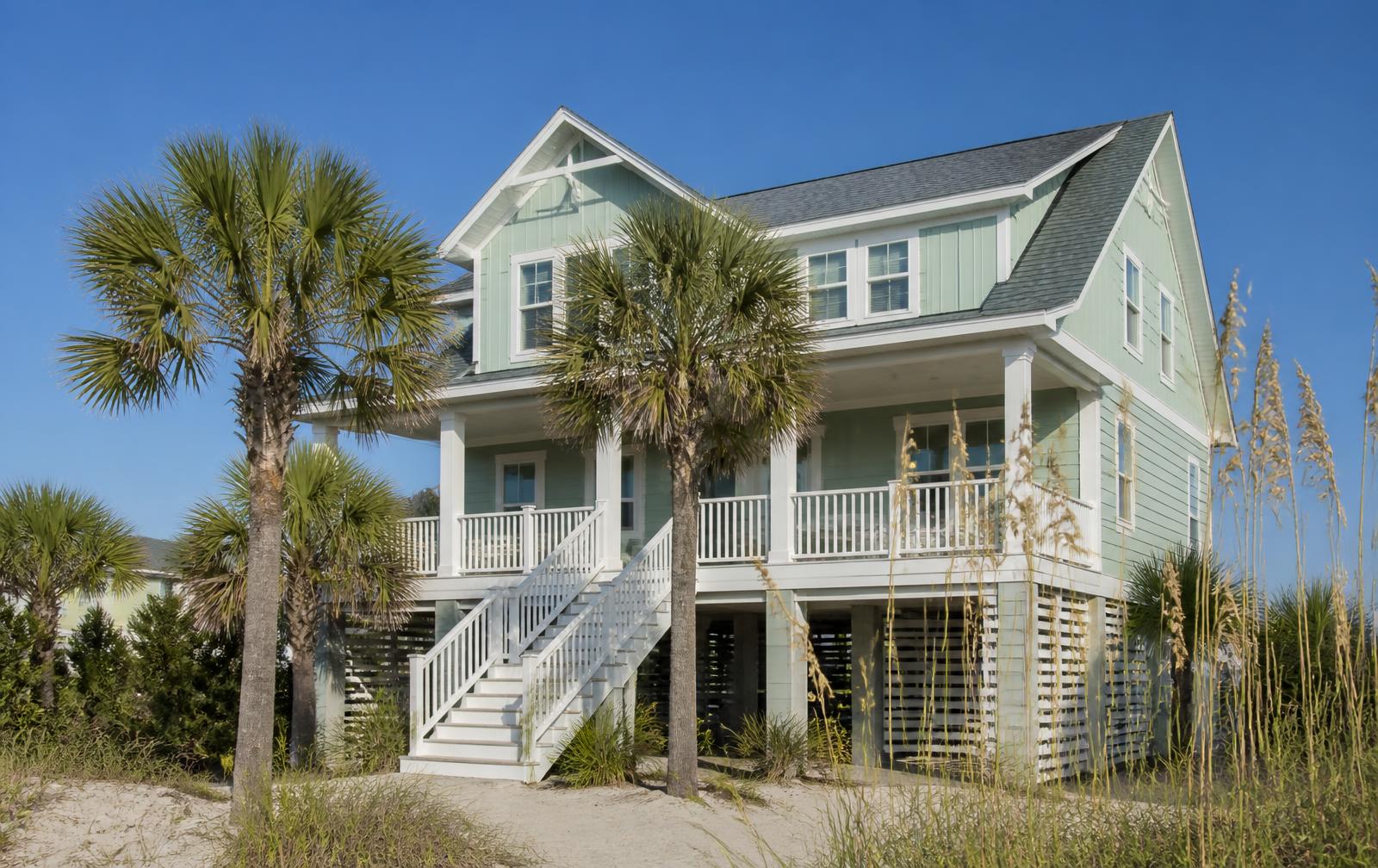
Surfside Beach garages face moisture, sand, salt air, hot tires, and frequent use. Epoxy flooring creates a seamless, easy-to-clean surface that helps protect concrete while giving your garage a more finished appearance.
4214 Mayfair St, Suite 215, Myrtle Beach, SC 29577Why Does Epoxy Perform Well In Coastal Garages?
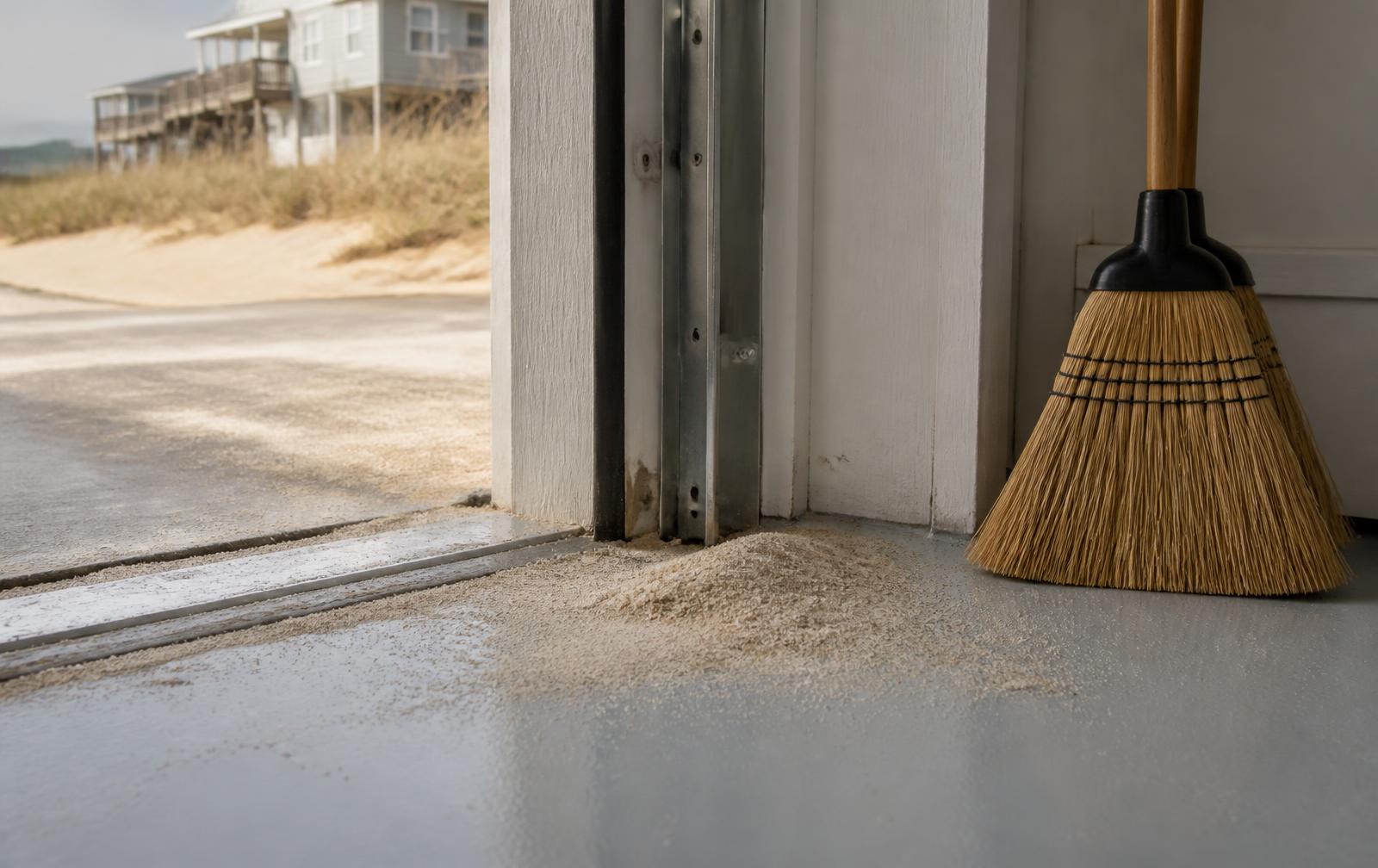
Coastal garages in Surfside Beach face humidity, salt-laden air, tracked-in sand, and occasional water exposure. With proper concrete preparation and a coating selected for the space, epoxy helps protect the slab while creating a smoother, easier-to-clean surface.
How Do Humidity, Salt Air, And Moisture Affect The Slab?
Moisture deserves attention before installation. Humid air, damp vehicles, and water moving through the concrete can interfere with coating adhesion and cause peeling or bubbling. We check the slab’s condition, address cracks and weak areas, and evaluate moisture concerns before choosing an installation approach.
Salt and sand can also accelerate surface wear when vehicles bring them into the garage. A properly installed coating creates a continuous barrier over the concrete, reducing direct exposure to those contaminants. However, epoxy does not correct active leaks, drainage problems, or excessive vapor transmission; those issues require attention first. Most projects here begin as garage epoxy.
We can also recommend a textured or broadcast finish when wet tires and sandy shoes create slip concerns. Careful edge work and transitions help limit exposed concrete around walls, thresholds, and other vulnerable areas.
How Does Epoxy Protect Concrete And Simplify Cleanup?
Bare concrete absorbs spills, holds dust, and can deteriorate as water enters small cracks and pores. Epoxy forms a sealed surface that helps protect the slab from automotive fluids, road grime, and routine coastal moisture. It does not make concrete structurally sound, so we repair significant damage before coating through crack repair.
The nonporous finish simplifies regular maintenance. We can remove most dirt and sand with sweeping or vacuuming, then use a mild cleaner and water for residue or spills. Prompt cleanup remains important because abrasive sand can wear any finish when repeatedly dragged across it.
A professionally installed system also improves the garage’s appearance and daily usability. We explain coating options, preparation requirements, and pricing in advance, then complete the work with attention to corners, edges, cracks, and final cleanup.
How Do You Select The Right Coating System?
The best garage coating depends on the finish you want, the condition of the concrete, and how you use the space. We assess moisture, cracks, traffic, chemical exposure, sunlight, and slip-resistance needs before recommending a system.
Epoxy, Polyaspartic, Or Decorative Flake: What Fits Best?
Epoxy creates a thick, hard surface with strong resistance to oil, chemicals, and vehicle traffic. It suits garages that need a durable, customizable finish, but direct sunlight can cause some epoxy systems to discolor over time.
Polyaspartic coatings cure faster and generally provide better UV stability, making them useful for garages with open doors, nearby windows, or strong coastal sunlight. They also tolerate temperature changes well, but their shorter working time requires experienced installation and careful preparation, which is why many homeowners compare polyaspartic coatings.
Decorative vinyl flake can improve traction, conceal minor surface variation, and add visual texture. We can apply a clear wear coat over the flakes for easier cleaning and additional protection. Color, flake density, gloss level, and anti-slip additives allow us to match the coating to your garage’s appearance and safety needs.
How Do Surface Condition And Garage Usage Change The Plan?
Preparation determines how well the coating bonds. We inspect for cracks, spalling, oil contamination, old paint, and moisture before diamond grinding or using another suitable mechanical method. We repair defects and remove contaminants rather than covering them, because weak concrete or trapped moisture can lead to premature peeling.
Your usage also affects the specification. A garage storing cars, motorcycles, tools, and chemicals may need a heavier coating build and stronger chemical resistance than a lightly used storage area. Hot tires, sand, tracked-in water, and frequent cleaning can also influence the choice.
We explain the recommended system, preparation steps, timeline, and price before work begins. Our estimates reflect the garage size, slab condition, selected finish, crack repairs, and any slip-resistant treatment, giving you a clear basis for comparison.
What Does Professional Installation Include?
A durable garage coating depends on thorough slab preparation, accurate moisture assessment, and controlled application. We also plan curing times around Surfside Beach’s humidity, temperature, and the customer’s schedule.
How Do You Prepare The Concrete And Test For Moisture?
We begin by inspecting the concrete for oil, paint, sealers, loose material, cracks, and uneven areas. Diamond grinding typically removes surface contaminants and opens the concrete profile so the coating can bond properly. We vacuum the slab carefully and repair cracks, joints, and damaged sections with compatible materials before coating, and rough slabs may need dedicated concrete grinding .
Moisture testing helps identify conditions that could cause bubbling, whitening, or loss of adhesion. If readings show excessive vapor transmission, we discuss practical options before installation rather than applying a coating over an unsuitable slab. We also check garage edges, expansion joints, and areas near doors where water or salt may enter.
Our estimate identifies preparation needs, coating layers, decorative flakes, slip resistance, and any repairs. This gives the homeowner a clear scope and price before work begins.
What Are The Application Steps And Curing Times?
After preparation, we apply the chosen base coat at the manufacturer’s specified thickness. We broadcast decorative flakes while the coating remains wet, scrape away loose flakes after the base cures, and apply a clear protective topcoat. For garages exposed to hot tires, oil, and frequent use, we select a system suited to those conditions rather than relying on appearance alone.
We control application conditions, including slab temperature, air temperature, and humidity. Most installations require limited foot traffic during the initial cure, while vehicle access commonly takes longer. Exact times vary by product and weather, so we provide written instructions for returning vehicles, replacing stored items, and cleaning the new floor.
How Do You Maintain The Floor For Long-Term Value?
Regular cleaning protects the coating from sand, grit, salt residue, and vehicle fluids common in Surfside Beach garages. Prompt repairs also help prevent small chips, cracks, or peeling areas from spreading and keep the floor looking consistent for years.
What Routine Cleaning Practices Work Best?
We recommend sweeping or dust-mopping the garage floor regularly, especially after beach trips or windy weather. Sand can act as an abrasive when vehicles or storage items move across the surface.
For deeper cleaning, use warm water and a pH-neutral cleaner with a soft mop. Avoid abrasive powders, stiff brushes, solvent-based products, and harsh degreasers that may dull the finish. Clean oil, gasoline, fertilizer, and other spills promptly with an absorbent material, then wash the area with mild cleaner.
Place mats beneath vehicles that may drip fluids, but choose mats with non-staining backings. Use felt or rubber pads under shelving and equipment, and avoid dragging heavy items across the coating. We can recommend cleaning products and maintenance practices suited to the coating system installed in your garage.
When Should You Schedule Repairs Or Recoating?
Contact us when you notice lifting edges, exposed concrete, deep scratches, widespread fading, or cracks that continue to grow. A small chip may receive a localized repair, while widespread damage may require additional preparation and a new coating layer through recoating and maintenance .
Moisture problems deserve attention before any repair or recoating. Coastal humidity, water intrusion, and slab moisture can weaken adhesion if we do not identify and address the source first. We inspect the affected areas, evaluate the existing coating, and explain the needed work and pricing before starting.
Recoating timing depends on traffic, sunlight, cleaning habits, and installation quality. Professional preparation, including mechanical surface preparation and crack repair, supports long-term bonding. Our more than 20 years of flooring experience helps us identify problems early and select a practical repair or recoating plan for your garage.
Epoxy Flooring FAQs for Surfside Beach
What is the average cost to epoxy a two-car garage?
A two-car garage in Surfside Beach typically costs about $3,000 for a standard epoxy coating project. The final estimate may increase when the slab needs extensive crack repair, moisture treatment, grinding, or a decorative flake or metallic finish.
How much does it cost to epoxy a 20-by-20 garage floor?
A 20-by-20 garage covers approximately 400 square feet and commonly falls near the two-car garage range, around $3,000 for a standard installation. We confirm pricing after measuring the space and inspecting the concrete because preparation often affects the total more than size alone.
What factors affect the cost of an epoxy garage floor?
Square footage, concrete condition, and preparation requirements have the greatest effect on cost. Cracks, surface damage, oil contamination, uneven areas, moisture, and old coatings may require additional repair or removal.
The coating system also affects pricing. Solid-color epoxy, decorative vinyl flakes, polyaspartic systems, anti-slip additives, custom colors, and extra clear coats each carry different material and labor requirements.
What are the potential drawbacks of epoxy garage flooring?
Epoxy requires careful surface preparation and cannot bond reliably to damp, contaminated, or poorly prepared concrete. Installation may also require several days before we can return the garage to normal vehicle and foot traffic.
The smooth finish can become slippery when wet unless we add an appropriate slip-resistant texture. Epoxy may also discolor or wear faster when exposed to strong sunlight, harsh chemicals, impact, or improper cleaning.
How long does an epoxy garage floor typically last?
A professionally installed garage coating often lasts 5 to 10 years or longer, depending on traffic, sunlight, chemical exposure, maintenance, and the coating system. Polyaspartic systems may provide different performance characteristics, especially where faster curing or greater UV resistance matters.
We extend service life by mechanically preparing the slab, repairing cracks, applying the correct coating thickness, and sealing the surface properly. Promptly cleaning oil and chemicals also helps protect the finish.
How do I choose a reputable epoxy flooring contractor in the Surfside Beach area?
We recommend comparing written estimates that identify the preparation process, repairs, coating products, number of coats, warranty terms, and expected timeline. A reputable contractor should explain moisture concerns and avoid promising a reliable result without inspecting the concrete.
Look for documented experience, local references, clear communication, and clean workmanship. Our team brings more than 20 years of flooring experience, provides upfront pricing, and focuses on preparation, edges, transitions, and other details that affect long-term performance.