Epoxy Flooring Contractor · Myrtle Beach, SC
Old Coating Removal in Myrtle Beach, SC
Built to Perform. Finished to Impress.
At Expert Epoxy Installation Myrtle Beach we evaluate the existing coating and substrate before selecting mechanical grinding, shot blasting, or another suitable removal method.
- 20+ years of flooring experience
- Epoxy, polyaspartic & polyurea systems
- Honest, upfront pricing
- Serving the Grand Strand
- 20+ years of flooring experience
- Honest, upfront pricing
- Epoxy, polyaspartic & polyurea systems
- Serving the Grand Strand
Old Coating Removal in Myrtle Beach, SC
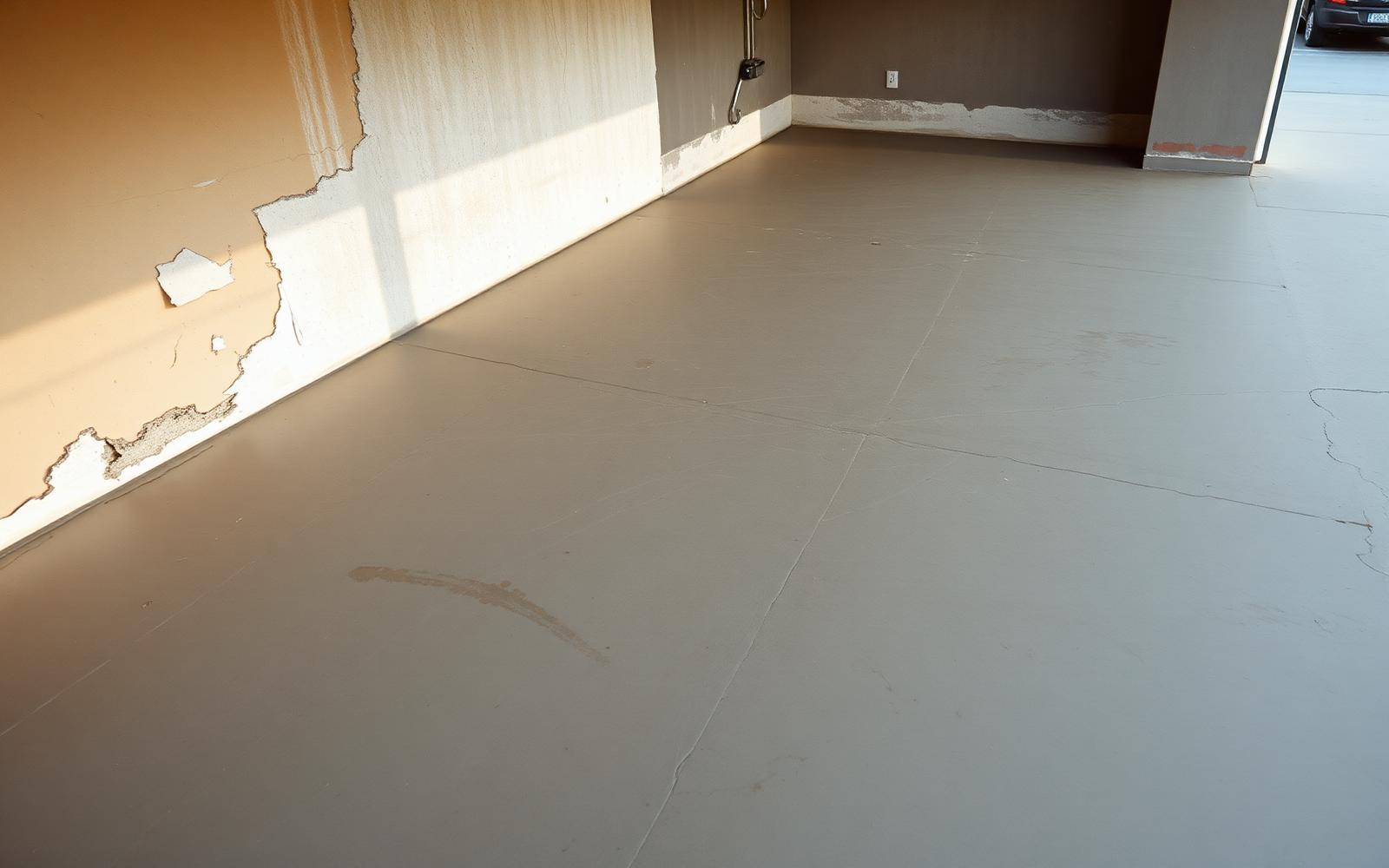
Old coatings can hide cracks, peeling, moisture damage, and weak concrete beneath the surface. In Myrtle Beach, SC, humidity, salt air, vehicle traffic, and coastal weather can affect residential garages, commercial floors, patios, pool decks, and service areas.
Professional old coating removal gives you a clean, properly prepared surface for a stronger, more consistent new floor system. We can help compare epoxy systems, metallic or flake finishes, and polyaspartic coatings based on your garage layout, traffic levels, appearance goals, maintenance needs, and budget. With more than 20 years of flooring experience, we focus on preparation, honest pricing, clean workmanship, and details that support lasting results.
How Do We Evaluate Surfaces And Choose Removal Methods?
We assess the existing coating, concrete condition, moisture exposure, and contamination before selecting a removal method. This evaluation helps us prepare surfaces correctly for epoxy, polyaspartic, or other coating systems in residential garages, commercial facilities, and outdoor areas.
Moisture, Salt Air, And Humidity Considerations In Myrtle Beach
Myrtle Beach properties face high humidity, coastal salt air, rain exposure, and seasonal temperature changes. These conditions can contribute to adhesive failure, bubbling, corrosion near metal edges, and moisture vapor moving through concrete. We check for visible dampness, efflorescence, blistering, peeling, and dark areas that may indicate trapped moisture.
We also review drainage, slab elevation, downspouts, plumbing leaks, and garage ventilation. Moisture testing may include calcium chloride or in-situ relative humidity testing, depending on the project and coating manufacturer’s requirements. We do not install a new system until the slab meets the product’s moisture limits. In enclosed garages, we also control temperature and humidity during removal and curing to support proper adhesion.
Mechanical Profiling, Shot Blasting, And Diamond Grinding
We choose removal equipment based on coating thickness, bond strength, floor size, and the concrete profile required for the replacement system. Diamond grinding removes thin epoxy, paint, surface residue, and weak cement paste while allowing precise work around walls, columns, and garage transitions.
Shot blasting uses steel media to remove thicker coatings and create a consistent profile across larger commercial floors. It works well in warehouses, retail areas, workshops, and other open layouts where production speed and uniform preparation matter. For heavy buildup, we may use scarifying or controlled scraping before grinding or blasting.
Dust control remains essential in occupied homes and businesses. We use industrial vacuums, containment, and organized work practices to limit airborne debris and protect stored items, vehicles, equipment, and finished areas.
Concrete Repairs And Contamination Control
Removing an old coating often exposes cracks, delamination, spalled concrete, oil stains, tire residue, curing compounds, or previous patch materials. We identify these conditions before repairs because coatings cannot correct structural movement or bond reliably to contaminated concrete.
We clean oil and chemical residue with appropriate methods, then remove weak material until we reach a sound surface. Cracks may require routing and filling, while pits and damaged areas may need polymer-modified repair materials. We also address control joints according to the floor design and coating specifications.
Before applying epoxy or polyaspartic systems, we verify that the slab has the required profile, dryness, cleanliness, and soundness. This preparation supports reliable adhesion in single-car garages, multi-bay residential layouts, commercial service areas, and high-traffic facilities.
Which Coating Systems And Project Applications Apply?
Choosing the right coating depends on the concrete’s condition, moisture exposure, traffic, appearance goals, and available downtime. We remove failed material first, then match the replacement system to the property’s layout, use, and maintenance needs.
Epoxy, Polyaspartic, And Urethane Coating Systems
Epoxy forms a strong bond with properly prepared concrete and works well in garages, workshops, warehouses, and retail areas. It comes in solid colors, metallic finishes, broadcast-flake systems, and mortar formulations for demanding commercial conditions. Standard epoxy generally offers longer working time than faster-curing products, which can help on larger installations.
Polyaspartic coatings cure quickly and resist ultraviolet exposure better than many epoxy systems. We often specify them for Myrtle Beach garages, where sunlight, vehicle traffic, sand, and humidity can affect flooring. A polyaspartic base or topcoat can shorten downtime, but installers must control preparation and application timing carefully.
Urethane topcoats add chemical, abrasion, and stain resistance. They can protect an epoxy or polyaspartic base from automotive fluids, cleaning chemicals, and frequent cleaning. We inspect moisture, cracks, previous coating adhesion, and slab profile before recommending a system.
Residential Garage Layouts And Decorative Finish Options
Garage layouts affect both coating selection and preparation. A single-car garage may need careful edge work around shelving and storage, while a two- or three-car garage often requires control joints, expansion joints, floor drains, steps, and transitions to be addressed separately.
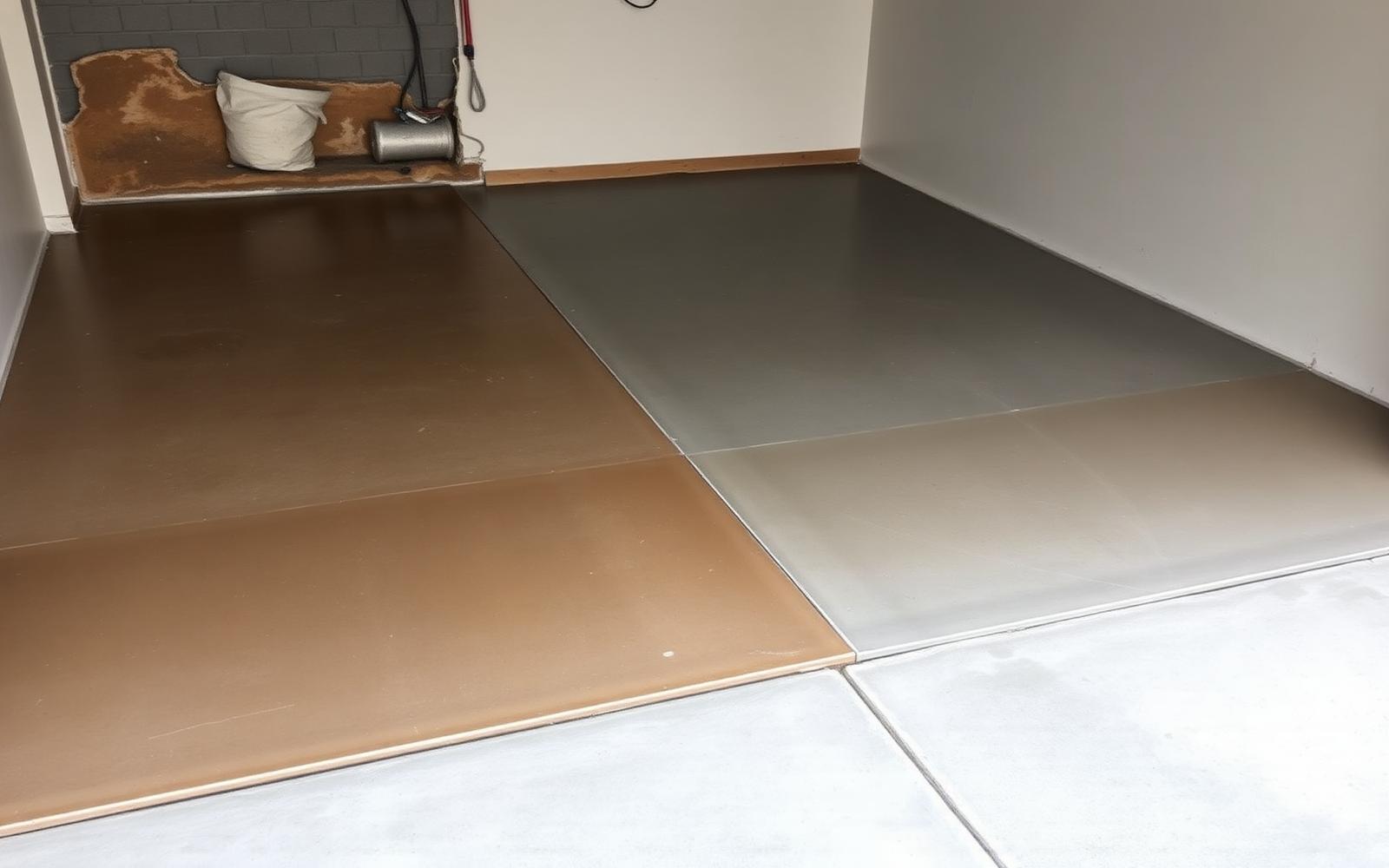
We commonly use full-flake broadcast floors to add texture and help conceal minor surface variation. Metallic epoxy can create a custom appearance in finished garages, but it requires a stable slab and controlled installation conditions. Solid-color systems suit utility garages, workshops, and spaces where simple cleaning matters most.
Before coating, we remove loose material, oil contamination, adhesive residue, and failed paint. We also repair suitable cracks and evaluate moisture concerns. Clear estimates identify preparation, floor repairs, coating layers, color choices, curing time, and any required relocation of vehicles or stored items.
Commercial Flooring Requirements And Operational Planning
Commercial floors must support the building’s specific workflow. Warehouses may need abrasion resistance and forklift compatibility, while auto shops need protection from oils, fuels, tire traffic, and repeated cleaning. Offices, showrooms, medical spaces, and retail facilities may place greater emphasis on appearance, slip resistance, low odor, and limited disruption.
We plan work around deliveries, operating hours, equipment movement, and required access routes. A commercial coating specification may include a moisture-tolerant primer, epoxy build coat, decorative aggregate, and urethane or polyaspartic topcoat. Broadcast aggregate can improve traction, while coved edges help limit dirt buildup where walls meet floors.
Our process includes documented preparation, defined repair areas, product-specific recoat windows, and clear maintenance instructions. With more than 20 years in flooring, we communicate scope and pricing before work begins and keep the site organized throughout installation.
Areas we serve
- Carolina Forest
- Socastee
- Forestbrook
- Surfside Beach
- Garden City
- Murrells Inlet
- North Myrtle Beach
- Briarcliffe Acres
- Atlantic Beach
- Little River
Related Services
Ready to plan your floor?
Call (854) 254-6137 or request a free estimate. We review slab condition, scope, and pricing before any work begins.