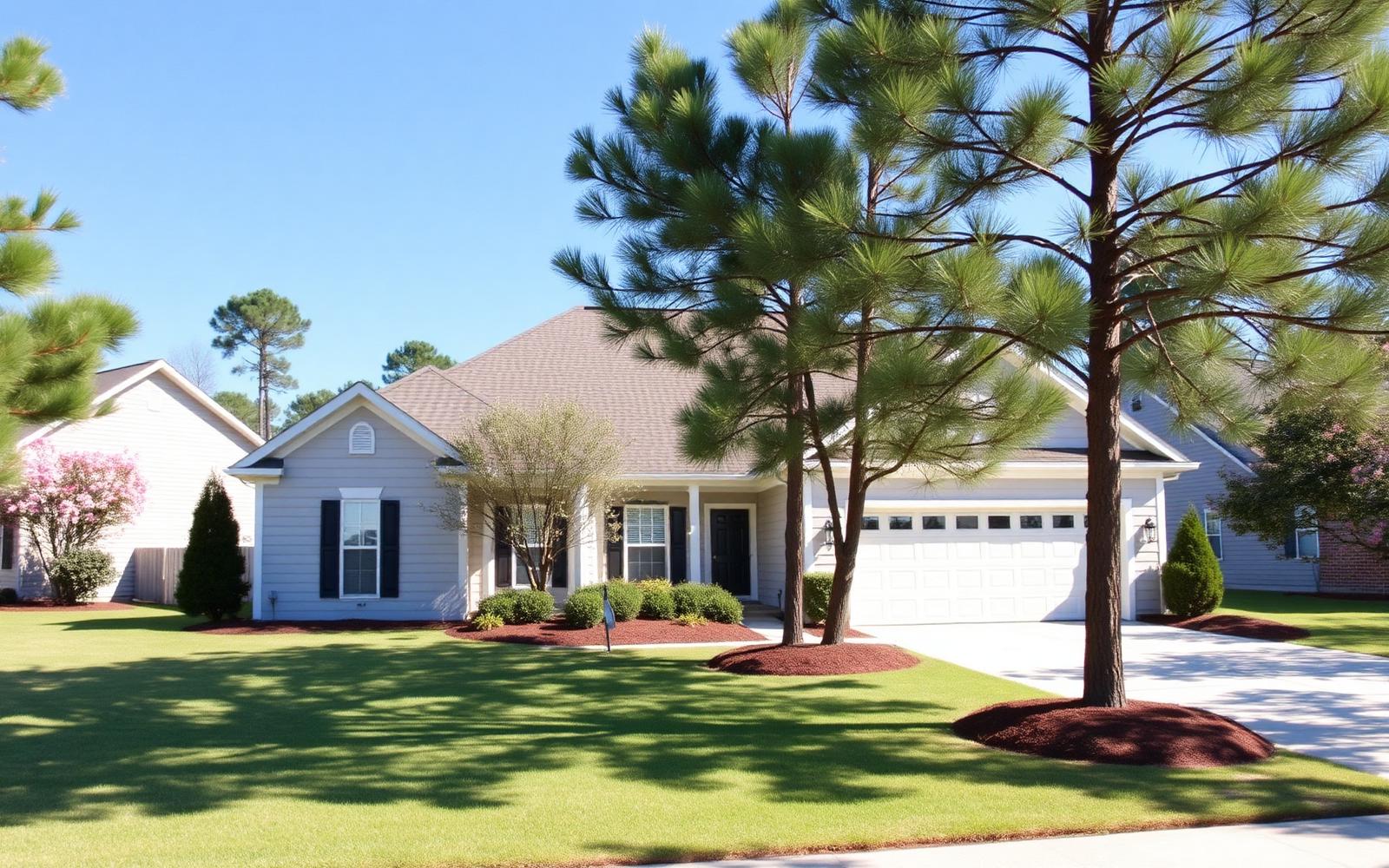
Epoxy Flooring Contractor · Forestbrook, SC
Epoxy Flooring in Forestbrook
Built to Perform. Finished to Impress.
At Expert Epoxy Installation we create long-lasting garage floors by combining the right coating with thorough surface preparation, careful installation, and finishes suited to your space. Our team can help you compare colors, flake options, textures, and coating types while keeping your goals and budget in focus.
- 20+ years of flooring experience
- Epoxy, polyaspartic & polyurea systems
- Honest, upfront pricing
- Serving the Grand Strand
- 20+ years of flooring experience
- Honest, upfront pricing
- Epoxy, polyaspartic & polyurea systems
- Serving the Grand Strand
Epoxy Flooring for Forestbrook Homes and Businesses
An epoxy garage floor can give your Forestbrook, SC, garage a cleaner appearance and a more durable surface for daily use. The right system helps resist oil, chemicals, hot tires, impacts, and heavy traffic while making routine cleanup easier.
Forestbrook’s warm, humid conditions make preparation and product selection especially important.
4214 Mayfair St, Suite 215, Myrtle Beach, SC 29577What Are The Benefits Of A Professional Epoxy System?
A professionally installed epoxy system helps your Forestbrook garage handle daily vehicle use while resisting common stains and moisture. Proper preparation, product selection, and application also support a cleaner appearance and longer service life.
How Durable Is Epoxy Against Vehicle Traffic?
Garage floors face repeated loading from cars, trucks, motorcycles, tool cabinets, and storage equipment. We prepare the concrete carefully, repair suitable cracks, and select an epoxy system that matches the floor’s condition and expected use. This process helps reduce premature peeling, tire pickup, and surface wear. Most projects here start as garage epoxy.
A professional installation also creates more consistent coverage at edges, joints, and other areas that often receive less attention. We follow the manufacturer’s requirements for mixing, application, and curing so the coating bonds properly to the concrete. After installation, we recommend observing the stated cure time before parking vehicles or returning heavy items to the garage.
Forestbrook’s warm, humid conditions make surface preparation especially important. We check for moisture concerns and avoid coating concrete that has not reached suitable conditions. A properly installed system can provide a durable surface for routine residential traffic, though it will not correct major structural movement or eliminate the need for reasonable care.
How Does Epoxy Improve Stain And Moisture Resistance?
Epoxy forms a sealed surface that limits the absorption of motor oil, gasoline residue, road salt, and other substances commonly tracked into garages. When spills occur, we recommend cleaning them promptly with a mild cleaner and removing abrasive debris before it wears the finish.
The coating also makes routine sweeping and mopping easier because dirt cannot settle into unsealed concrete pores. This benefit matters in Forestbrook, where humid weather and rain can bring moisture, sand, and organic debris into the garage.
We evaluate the slab for moisture transmission before installation. If moisture rises through the concrete, it can weaken adhesion and cause blistering or peeling. Addressing that condition first helps protect the investment, while careful detailing around walls, thresholds, and transitions supports a more complete finished surface.
How Do You Select The Right Coating And Finish?
The right garage coating should match Forestbrook’s humidity, concrete condition, vehicle traffic, and maintenance needs. We also help homeowners balance performance with appearance by selecting suitable colors, textures, and gloss levels.
Epoxy, Polyaspartic, Or Hybrid: Which Option Fits?
Epoxy provides a thick, durable surface that resists oil, household chemicals, abrasion, and tire traffic. It offers strong adhesion when we prepare the concrete correctly, but moisture vapor, temperature changes, and long curing times can affect installation. We test the slab and address cracks, weak areas, or moisture concerns before coating.
Polyaspartic coatings cure faster and generally tolerate temperature variation better than traditional epoxy. They can provide excellent resistance to ultraviolet exposure and abrasion, making them useful where faster return to service matters. However, their short working time requires careful preparation and experienced installation, which is why many homeowners ask about polyaspartic coatings.
Hybrid systems combine materials to balance adhesion, build, flexibility, and appearance. We recommend the system based on the garage’s use, slab condition, exposure to road salt or chemicals, and the homeowner’s budget—not simply the product label.
How Do Color Flakes, Textures, And Gloss Levels Compare?
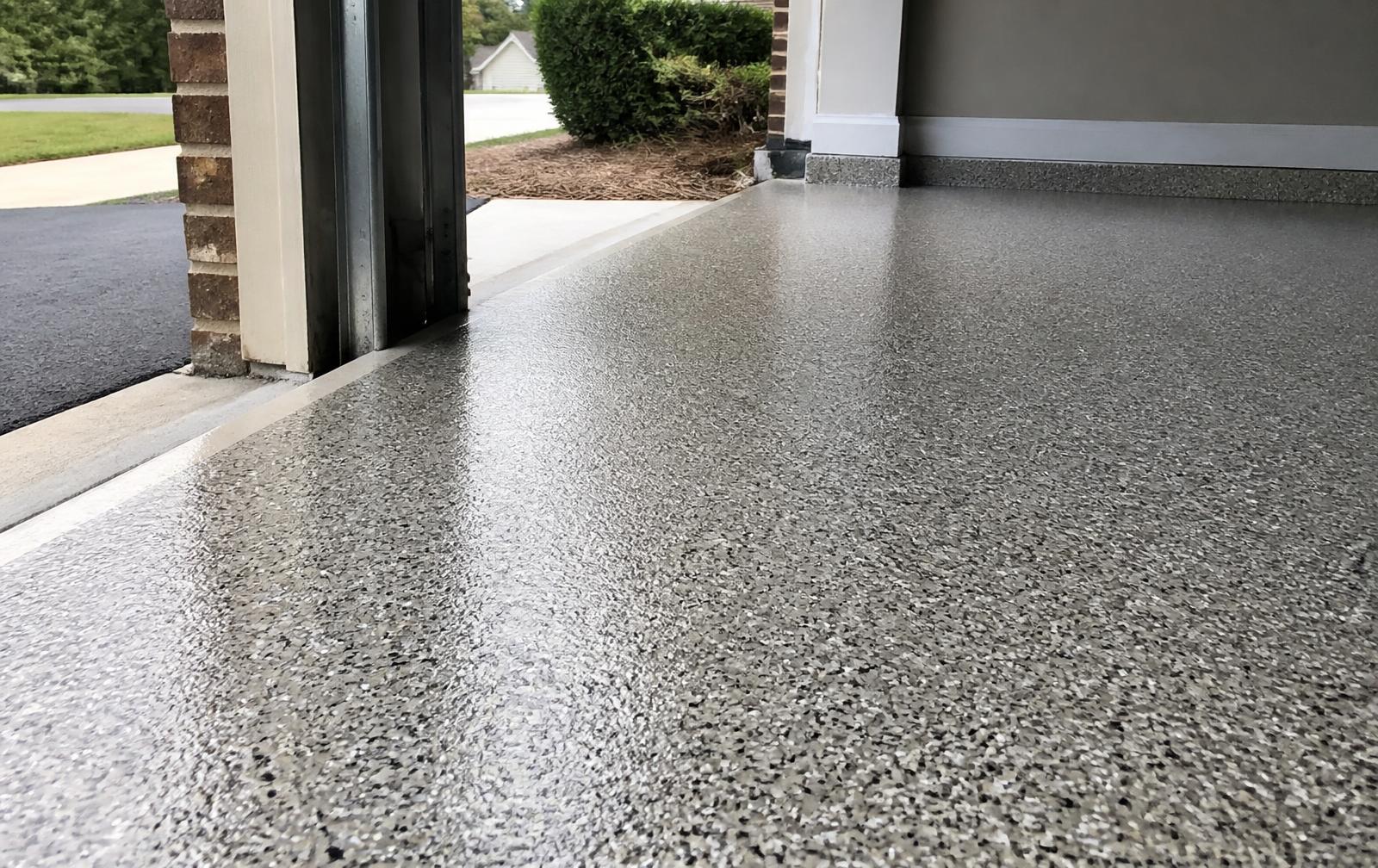
Decorative vinyl flakes can create a speckled finish that helps disguise minor dirt and everyday marks. We can adjust flake size, density, and color to complement the home while keeping the surface practical for regular garage use, and many customers choose decorative flake.
Texture improves traction, especially when water, snow, or vehicle fluids reach the floor. We select the broadcast amount carefully: too little may provide limited slip resistance, while too much can make sweeping and mopping more difficult. A light-to-medium texture often offers a useful balance.
Gloss levels range from high gloss to satin. High-gloss finishes reflect more light and make cleaning easier, but they can show glare and surface imperfections. Satin finishes provide a softer appearance with less reflected light. We explain maintenance, edge details, and transitions in the estimate so the finished floor matches the space and expectations.
What Does The Installation Process Involve?
A durable garage coating depends on accurate concrete testing, thorough repairs, and mechanical preparation. We also plan curing and installation around Forestbrook’s temperature, humidity, and daily garage use.
How Do You Assess And Repair The Concrete?
We inspect the slab for oil, moisture, cracks, spalling, weak concrete, and previous coatings. Oil contamination can prevent adhesion, while moisture vapor may cause bubbling or delamination. We use appropriate moisture testing before selecting the coating system.
We repair cracks and damaged areas with compatible materials, then allow repairs to cure before grinding. Surface preparation typically includes diamond grinding or shot blasting to remove contaminants, smooth uneven areas, and create the texture the primer needs for bonding. We vacuum dust thoroughly and protect nearby walls, doors, and stored items. Damaged slabs often begin with crack repair .
A clean edge at the garage door, walls, steps, and expansion joints improves the finished appearance. We also explain the recommended system, color, flake coverage, and project scope in the estimate so customers understand the work and price before installation.
How Long Do Curing And Scheduling Take?
We schedule installation after removing vehicles, storage, and loose items from the garage. Most systems require a prepared slab, suitable temperatures, and controlled conditions; excessive humidity, cold concrete, or dampness can extend curing and affect the finish.
After preparation, we apply the primer when conditions meet the product requirements. We then install the base coat and any decorative flake, followed by a protective topcoat. Each layer needs the manufacturer’s specified recoat window. Applying the next layer too early or too late can weaken the bond.
We provide clear instructions for foot and vehicle traffic. Depending on the products, temperature, and slab condition, light foot traffic may resume after curing for roughly 12–24 hours, while vehicles often require several days. We confirm the exact return-to-use schedule before completing the project.
How Do Local Climate And Maintenance Affect The Floor?
Forestbrook’s warm, humid conditions require careful installation planning and consistent upkeep. We control moisture and temperature before coating, then recommend cleaning practices that protect the finish from grit, oil, standing water, and everyday garage traffic.
How Do You Plan For Humidity And Temperature?
High humidity can slow curing and leave moisture trapped beneath the coating. Before installation, we check the concrete’s moisture content, garage temperature, and slab temperature rather than relying only on outdoor weather. We schedule work during a stable weather period and follow the product manufacturer’s limits for temperature and relative humidity.
We also protect the garage from rain, open doors, and condensation during application and curing. Proper preparation may include diamond grinding, crack repair, and moisture mitigation when testing identifies a problem. These steps improve adhesion and help prevent peeling, bubbling, or cloudy areas. Our team explains the required cure time and provides clear guidance about when you can walk on or park on the new floor.
What Routine Cleaning And Long-Term Care Do You Recommend?
Sweep or dust-mop the floor regularly to remove sand and grit that can dull the surface over time. Clean spills promptly, especially motor oil, gasoline, antifreeze, and other automotive chemicals. Use warm water with a mild, non-abrasive cleaner and a soft mop; avoid harsh solvents, abrasive powders, and stiff metal tools unless the coating manufacturer approves them.
Place absorbent mats beneath vehicles and use pads under heavy equipment or storage racks. Avoid dragging toolboxes, jacks, and sharp-edged items across the coating. We also recommend checking edges, joints, and high-traffic areas periodically so small damage receives attention before moisture or chemicals reach the concrete, and we handle recoating and maintenance when a finish needs renewal.
Epoxy Flooring FAQs for Forestbrook
How much does it cost to epoxy a 20x20 garage floor?
A 20-by-20 garage covers 400 square feet. In Forestbrook, a professionally installed epoxy or polyaspartic system commonly costs about $1,800 to $4,800, depending on preparation and materials.
Basic coatings may cost less, while systems with crack repair, decorative flakes, a broadcast layer, or a polyaspartic topcoat may cost more. We provide an itemized estimate so you can review preparation, products, labor, and optional upgrades before work begins.
What is the average cost to epoxy a two-car garage?
A typical two-car garage measures approximately 400 to 600 square feet. Professional installation often falls between $2,000 and $6,000, although unusually damaged concrete or premium systems can increase the price.
A site inspection gives us a more accurate figure. We evaluate the concrete, measure the space, check for moisture concerns, and recommend a system that fits your budget and intended use.
What factors affect the cost of garage epoxy flooring?
The main pricing factors include: square footage; concrete condition (cracks, oil stains, flaking, uneven areas); moisture testing and mitigation; coating system (epoxy, polyaspartic, hybrid); decorative options (color blends, vinyl flakes, metallic, borders); topcoat; and access and layout (steps, storage, drains, tight edges).
We focus on proper preparation rather than covering problems with coating. Our estimates explain the work required and avoid unnecessary surprises.
What are the disadvantages of an epoxy garage floor?
Epoxy requires careful concrete preparation and controlled installation conditions. Poor preparation can lead to peeling, bubbles, or premature wear.
Epoxy can also become slippery when wet unless we add an appropriate nonslip texture. Some epoxy products may discolor with prolonged sunlight exposure, so we may recommend a UV-resistant polyaspartic or polyurethane topcoat for garages with strong sun exposure.
The garage usually must remain unused during installation and curing. We also need to address oil contamination, moisture, and damaged concrete before applying the coating.
How long does an epoxy garage floor last?
A professionally installed garage epoxy floor commonly lasts 5 to 10 years, while a well-maintained system with strong preparation and a durable topcoat may last longer. Vehicle traffic, tire heat, chemicals, sunlight, moisture, and maintenance habits affect service life.
We extend the coating’s performance by grinding or preparing the concrete correctly, repairing suitable cracks, applying compatible products, and finishing edges carefully. Regular sweeping and prompt cleanup of oil or chemical spills also help protect the surface.
How do I choose a reliable garage epoxy flooring contractor?
Look for a contractor with relevant experience, clear communication, and a documented preparation process. Ask whether the team mechanically prepares the concrete, checks for moisture, repairs defects, and explains the coating system in writing.
Review recent local projects and confirm what the estimate includes. A reliable contractor should explain product types, curing times, warranty terms, maintenance requirements, and any conditions that could affect the installation.
We bring more than 20 years of flooring experience to each project. Our team provides upfront pricing, protects the work area, communicates throughout the installation, and pays close attention to edges, transitions, repairs, and final cleanup.