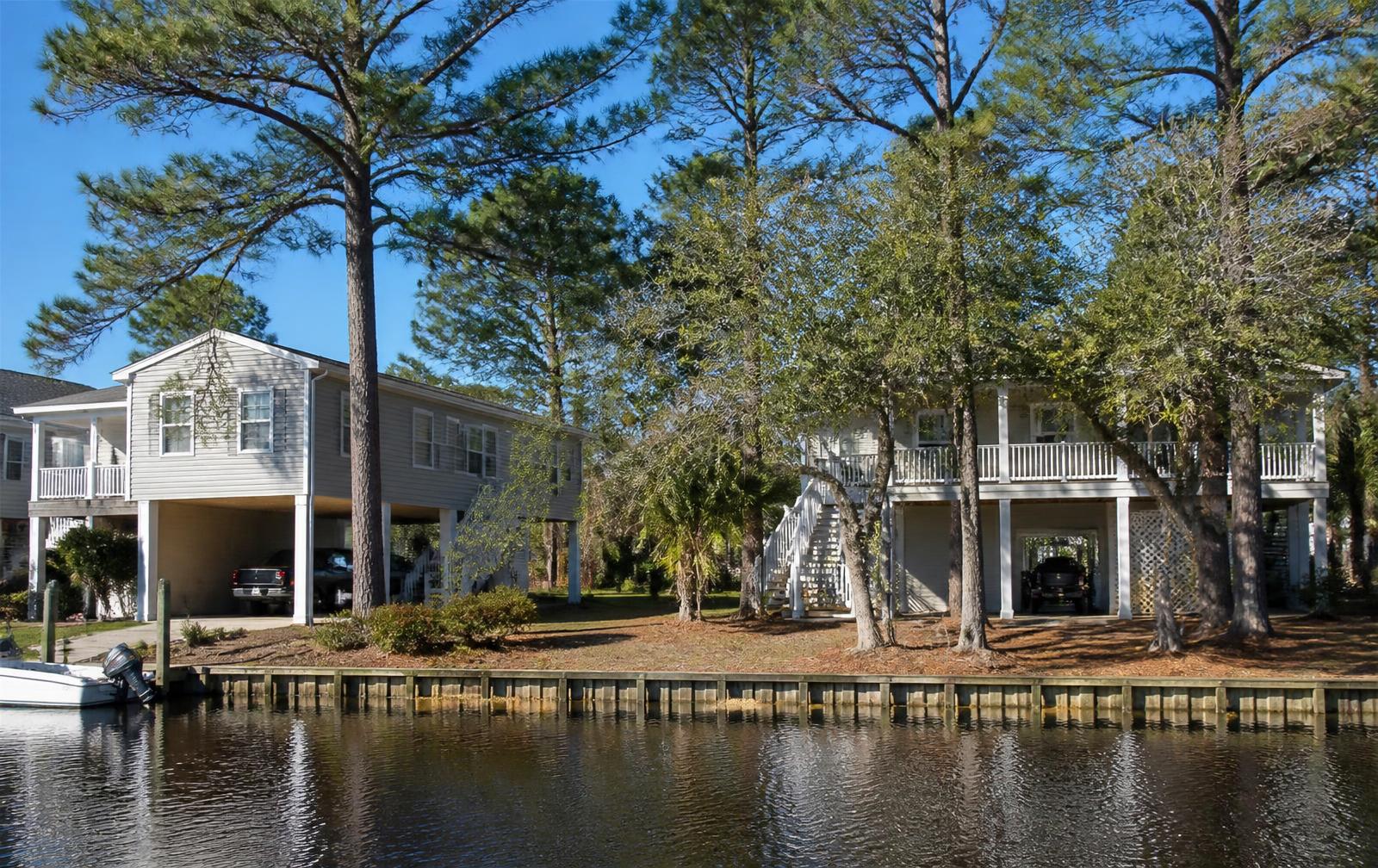
Epoxy Flooring Contractor · Little River, SC
Epoxy Flooring in Little River
Built to Perform. Finished to Impress.
At Expert Epoxy Installation we know that your Little River garage faces humidity, salt air, hot tires, oil, and daily traffic. Epoxy flooring can give the concrete a cleaner appearance while creating a durable, easier-to-maintain surface.
- 20+ years of flooring experience
- Epoxy, polyaspartic & polyurea systems
- Honest, upfront pricing
- Serving the Grand Strand
- 20+ years of flooring experience
- Honest, upfront pricing
- Epoxy, polyaspartic & polyurea systems
- Serving the Grand Strand
Epoxy Flooring for Little River Homes and Businesses
With proper moisture testing, crack repair, and diamond-grinding preparation, we can install a garage coating that bonds securely and suits your space, style, and budget. We provide clear pricing, careful preparation, clean workmanship, and attention to edges, transitions, and finishing details.
Our team brings more than 20 years of flooring experience to each project.
4214 Mayfair St, Suite 215, Myrtle Beach, SC 29577What Are The Garage Epoxy Basics?
A properly installed garage epoxy system creates a sealed, easier-to-clean surface that can handle routine vehicle use, stored equipment, and household traffic. We focus on moisture testing, diamond grinding, crack repair, and clean detailing because preparation and installation quality determine how well the coating performs.
How Do Epoxy Coatings Work?
Epoxy combines resin and hardener in a chemical reaction that forms a bonded surface over prepared concrete. We first remove contaminants such as oil, dust, and previous coatings, then profile the slab—often with diamond grinding—so the material can adhere correctly. We also address cracks and damaged areas before applying the system.
Depending on the garage and desired appearance, we may recommend a solid-color epoxy system or a decorative flake finish. A clear protective coat can improve resistance to abrasion, stains, and everyday wear. Many homeowners start with garage epoxy.
Epoxy is not a substitute for structural concrete repair, and excessive moisture vapor can affect adhesion, so we evaluate those conditions before installation.
What Are The Benefits For Coastal South Carolina Homes?
Little River garages face humidity, rainwater, sand, and temperature changes that can make unfinished concrete dusty, stained, or difficult to maintain. A sealed coating helps simplify cleanup after wet vehicles, lawn equipment, and routine spills while providing a more finished appearance.
Epoxy resists many common garage contaminants, including oil and household chemicals, but owners should clean spills promptly and follow the care instructions we provide.
We can help select a color, flake blend, and finish that suits the home, use level, and budget. Clear estimates, careful edge work, clean transitions, and respectful job-site practices remain part of our installation process.
How Do Surface Preparation And Installation Work?
A durable garage coating starts with sound concrete, controlled moisture, and careful preparation. We assess the slab, repair defects, remove contaminants, and apply the coating system under conditions that support proper bonding and curing.
What Does Concrete Assessment And Repair Include?
We inspect the garage floor for cracks, spalling, uneven areas, oil stains, old paint, and loose concrete. We also check the slab’s age and condition because new concrete needs adequate curing time before coating. We repair cracks and damaged areas with compatible materials, then allow repairs to cure before grinding.
Diamond grinding creates a clean, textured surface that helps the primer or base coat bond mechanically. We remove dust with commercial vacuums and clean remaining contaminants before application. Preparation typically includes diamond grinding or equivalent mechanical profiling; crack and joint evaluation; removal of paint, sealers, oil, and debris; repairs to weak or damaged concrete; and detailed work along walls, corners, and garage-door edges. Heavily damaged slabs may need crack repair before coating.
We explain the required work and pricing before installation begins. Our team also protects adjacent surfaces, maintains an organized work area, and pays close attention to transitions and edges.
Why Does Moisture Testing Come Before Preparation Steps?
Moisture can move through concrete and interfere with coating adhesion, particularly in coastal areas such as Little River. We test the slab before installation rather than relying only on its appearance. If readings indicate excessive moisture, we discuss appropriate next steps instead of coating over the problem.
After testing, we prepare the surface through mechanical grinding, thorough vacuuming, and targeted cleaning. We control dust and remove residues that could prevent the coating from bonding, using proven concrete grinding. We also verify that the garage temperature and humidity fall within the product manufacturer’s installation requirements.
We apply the selected system in measured coats, including primer when the system requires it, followed by the base coat, decorative flakes if chosen, and a protective topcoat. We provide curing guidance, including when to allow foot traffic, return vehicles, and place heavy items on the finished floor.
How Do Design, Durability, And Maintenance Fit Together?
We help Little River homeowners choose garage coatings that match their style while handling vehicle traffic, oil, moisture, and everyday wear. Proper preparation, careful installation, and simple routine care support a clean appearance and longer service life.
Which Color And Finish Options Are Available?
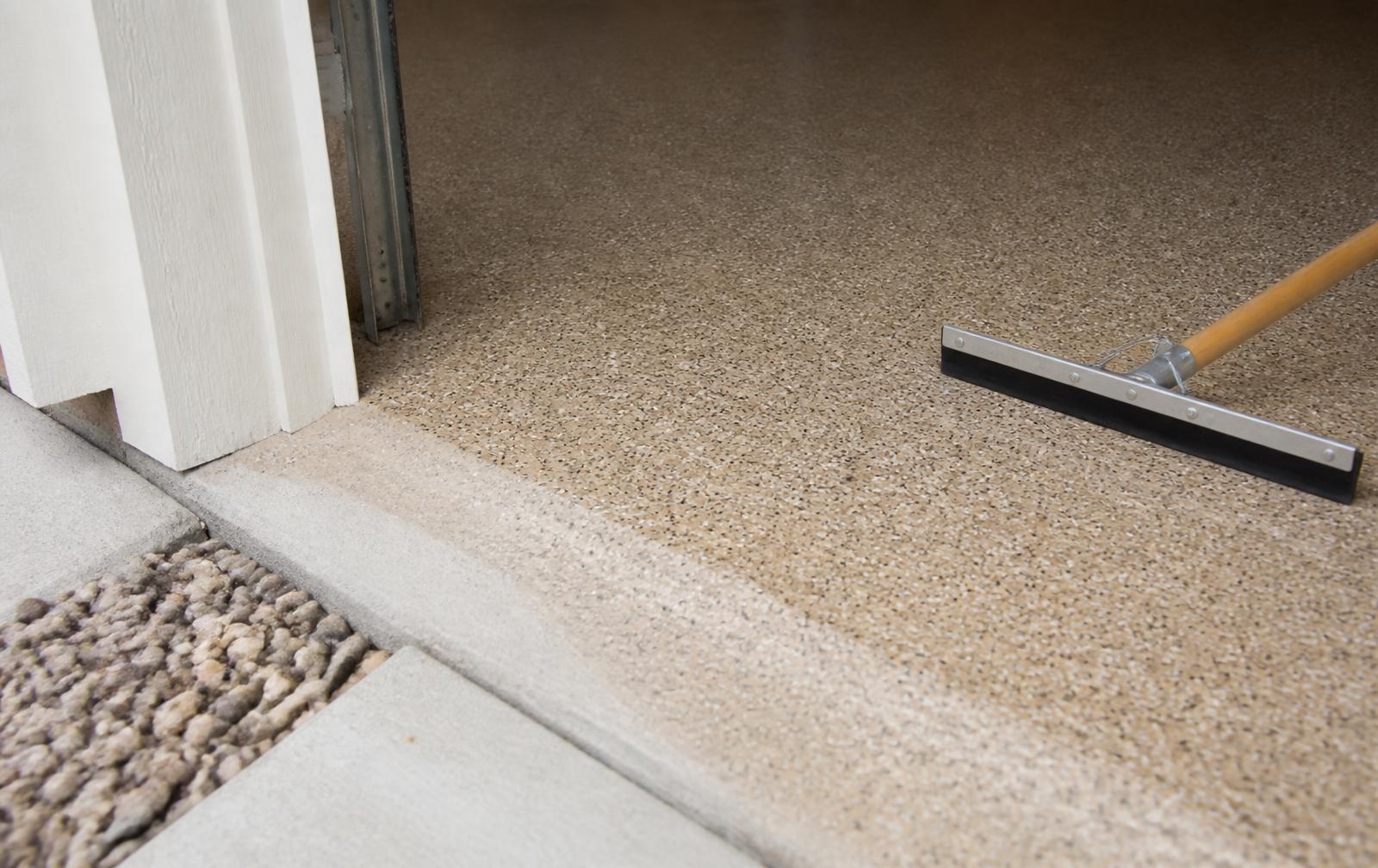
We offer practical design choices for garages of different sizes and uses. Solid colors create a clean, uniform appearance, while decorative vinyl flakes add texture and help make small dust or minor debris less noticeable. Popular garage colors include gray, tan, beige, and combinations of neutral tones.
Flake blends also provide a way to coordinate the floor with walls, cabinets, vehicles, or storage systems. We can adjust the flake coverage to create a subtle or more textured finish, depending on the desired appearance and slip resistance. Homeowners comparing blends often review our decorative flake .
Glossy finishes reflect more light and make a garage feel brighter, but they can show tire marks and surface debris more clearly. A lower-sheen or textured finish may suit customers who prefer a less reflective surface. We review color, flake size, edge details, and finish options before installation, then provide an upfront estimate based on the garage’s condition and selected system.
What Does Cleaning And Long-Term Care Require?
Routine maintenance requires basic sweeping and occasional damp mopping. Remove sand, leaves, and other grit promptly because abrasive debris can dull the finish when vehicles or equipment move across it.
For spills, wipe oil, gasoline, chemicals, and other fluids as soon as possible. Use a mild, non-abrasive cleaner with warm water and a soft mop; avoid harsh solvents, abrasive pads, and cleaners that leave a waxy residue. A floor squeegee can help move water toward the garage door after washing.
Place absorbent mats beneath vehicles and use protective pads under heavy equipment or storage legs. Avoid dragging metal shelving, tools, or jacks across the coating. We also inspect cracks, edges, and areas near the garage door during installation so we can address preparation issues before applying the coating.
Epoxy Flooring FAQs for Little River
How much does epoxy garage flooring typically cost in Little River, SC?
In Little River, a professionally installed epoxy garage floor often costs about $4–$10 per square foot. A one-car garage may start near $1,800, while larger garages or floors needing extensive crack repair, grinding, or moisture mitigation cost more.
We provide upfront pricing after assessing the slab. Our estimate identifies preparation, repairs, coating layers, color options, and the expected project schedule.
What is the best epoxy coating system for a residential garage floor?
For most residential garages, we recommend a mechanically prepared concrete slab with a moisture-tolerant primer, a 100% solids epoxy or comparable base coat, decorative flakes when desired, and a UV-stable polyaspartic or polyurethane topcoat.
The right system depends on moisture exposure, vehicle traffic, chemical use, sunlight, and appearance preferences. We inspect the floor and help select a system that fits the space and budget rather than applying the same product to every garage.
How long does it take to install an epoxy floor in a garage?
Many standard garages require two to four days from preparation through final coating, although curing time varies by product and weather conditions. Crack repairs, oil contamination, uneven concrete, or moisture testing can extend the schedule.
We diamond-grind the surface, repair suitable cracks, clean the slab, and apply each layer according to the manufacturer’s requirements. We also explain when foot traffic, stored items, and vehicles can return safely.
How durable is epoxy flooring in coastal South Carolina's humidity and heat?
Epoxy flooring can perform well in Little River’s heat and humidity when installers prepare the concrete correctly and control moisture. The coating resists common garage contaminants such as oil, chemicals, and hot-tire contact, but standing water, poor drainage, and slab moisture can cause adhesion problems.
We check the concrete before coating and address cracks, contamination, and moisture concerns first. A UV-stable topcoat helps protect areas exposed to sunlight, especially garages with open doors or adjoining patios.
What should I look for when choosing a garage floor coating contractor?
Choose a contractor who explains surface preparation, identifies the products by name, provides a written scope of work, and discusses moisture testing and curing times. Ask how the team handles cracks, oil stains, control joints, edges, and cleanup.
We bring more than 20 years of flooring experience and focus on preparation, clean transitions, detailed finishing, and dependable communication. Our estimates explain the work and pricing before installation begins, without unnecessary surprises.
How do epoxy garage floors compare with polyaspartic coatings?
Epoxy generally provides strong adhesion, a thick build, and many decorative options. Polyaspartic coatings cure faster, tolerate temperature changes well, and offer better UV stability, making them useful for sun-exposed areas and projects that need a shorter return-to-service time.
Many garage systems combine the two: epoxy forms the main build layer, while polyaspartic protects the surface. We compare cure time, appearance, moisture conditions, traffic, sunlight, and budget before recommending a coating system.